

Despite loud statements about isolationism, there are influential politicians in Donald Trump’s team who openly side with Ukraine. They call Putin a dictator, vote for aid, and promote new formats of cooperation. Who are these people and why is their position important for Kyiv? Let’s find out who in the Republican Party remains an ally of Ukraine.
Since the end of the Cold War, the US Republican Party has been associated with a tough foreign policy, opposition to authoritarian regimes, and defense of democracy and free markets. However, the beginning of Donald Trump’s second term in 2025 has sparked discussions about isolationism and protectionism in Washington’s approach. However, within the Republican Party itself, there remains an influential wing of politicians who consistently support Ukraine, recognize Russia as an aggressor, and advocate for continued military and financial assistance to Kyiv. Some of them belong to Donald Trump’s orbit or have close ties to him, but at the same time publicly defend Ukrainian interests.
Among such figures is Keith Kellogg, a retired lieutenant general who works among Trump’s foreign policy advisors. He sees Russia’s war against Ukraine as part of a broader confrontation between authoritarianism and the West and emphasizes that the Kremlin is solely responsible for the invasion. Kellogg advocates combining military support for Ukraine with diplomatic pressure on Moscow and maintaining sanctions as a tool of coercion.
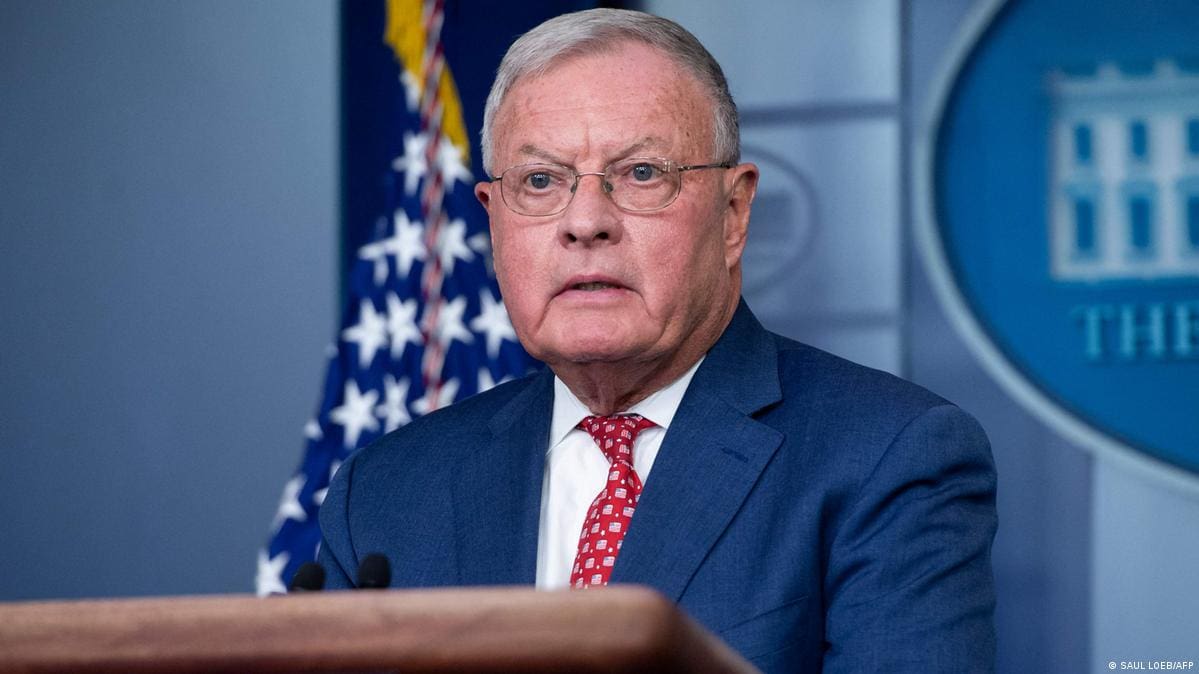
Mike Pompeo, the former Secretary of State and Director of the CIA, takes a similar position. He represents the Reagan tradition of Republicans, characterized by US global leadership and toughness toward Russia. Pompeo has repeatedly emphasized that Putin is a dictator, and that Ukraine’s victory is strategically important not only for Europe but also for deterring China and other authoritarian regimes.
There is a group of Republicans in Congress who systematically support Ukraine. Senator Roger Wicker and Congressman Joe Wilson, as co-chairs of the Ukraine Caucus, have consistently stated that Russia is the aggressor and that Ukraine seeks a just peace with reliable security guarantees. They have voted for aid packages, supported sanctions against Moscow, and publicly defended the position that helping Kyiv is in the U.S. national interest.
Lindsey Graham and Tom Tillis are also at the forefront of Ukraine’s supporters in the Senate. Graham is a particularly telling figure: on the one hand, he is close to Donald Trump and has a complicated relationship with his own electoral base, and on the other hand, he has spent significant political capital in support of Ukraine. It was he who promoted the idea of cooperation in the field of critical minerals as a way to increase the interest of Trump and the Republicans in a strategic partnership with Kyiv. Despite some critical statements about the Ukrainian government, Graham remains an influential ally, owing his stability to his long career in the Senate and Trump’s support.
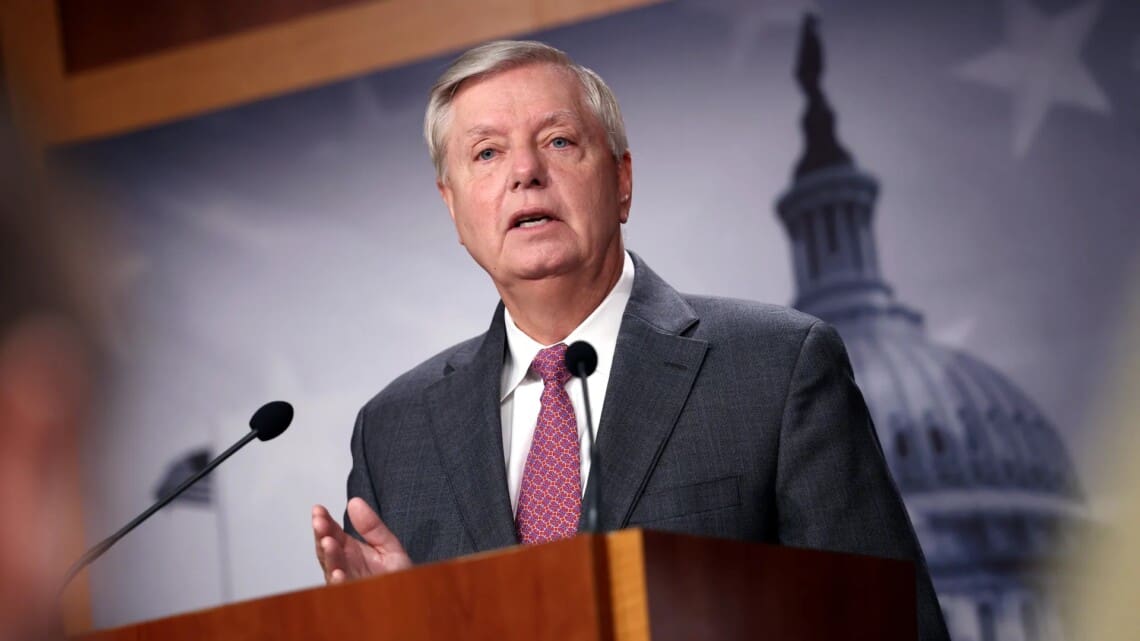
Tom Tillis has also consistently supported defense budgets to help Ukraine and advocated for stronger sanctions against Russia.
At the same time, the Republican Party is not monolithic. Different currents coexist within it. The so-called Freedom Republicans continue the tradition of Ronald Reagan, supporting an active foreign policy and the global role of the United States, and therefore are much more likely to side with Ukraine.
The so-called National Republicans, on the other hand, tend to be more nationalistic populist, isolationist, and protectionist, showing more skepticism about international commitments and sometimes sympathizing with politicians like Viktor Orban. The largest group in the House of Representatives, the Republican Study Committee, brings together a variety of positions: some members support assistance to Ukraine, while others express concerns about corruption or Europe’s insufficient contribution.
An important factor is the mood of Republican voters. A poll commissioned by Razom and conducted by Eighteen92 showed that even among skeptics, support for Ukraine could increase by 20 percentage points after additional information is provided. In particular, 71% of respondents said they would be more likely to support Ukraine after learning about Russia’s abduction of thousands of Ukrainian children, and a significant number responded positively to information about the persecution of evangelicals in the occupied territories. In addition, 60% of skeptics are ready to support aid if it strengthens Trump’s position in the negotiations, as it is important for them to see the American leader succeed.
Republican congressmen often pose the pragmatic question of benefits for their districts, especially if they represent rural or economically vulnerable regions. Therefore, arguments about Ukraine’s purchases of American gas, defense orders, drone cooperation, and job creation in the United States can be convincing.
In conclusion, we can state that despite internal contradictions, the Republican Party still has a wing that supports Ukraine and recognizes the strategic importance of our victory. It is worth working with these politicians systematically, adapting messages to different groups: for supporters of traditional conservatism, emphasize deterring Russia and strengthening US global leadership, for nationally oriented Republicans – economic benefits and strengthening Trump’s position, for religiously conservative environment – the protection of believers and abducted children. The most effective way to influence politicians is through their voters. The Republican Party is not a lost cause for Ukraine, and with the right arguments, it can remain an important partner in the struggle for a just peace and long-term security.