Консервативна Платформа
  • News
    • Analytics
    • Worldview
    • Anti-imperial front
    • Weapons
    • Geopolitics
  • publication
  • Position.
  • Events.
Friday, August 28, 2026
  • English
    • Ukrainian
Консервативна Платформа
  • News
    • Analytics
    • Worldview
    • Anti-imperial front
    • Weapons
    • Geopolitics
  • publication
  • Position.
  • Events.
Консервативна Платформа
  • News
    • Analytics
    • Worldview
    • Anti-imperial front
    • Weapons
    • Geopolitics
  • publication
  • Position.
  • Events.
Copyright 2021 - All Right Reserved
Events

White House finalizes plan to ease restrictions on how Ukraine can use U.S.-supplied weapons, allowing Ukraine to launch deeper strikes into Russian territory – media

від Савицький Олексій September 12, 2024

White House finalizes plan to ease some restrictions on Ukraine’s use of U.S.-supplied weapons and improve its ability to defend itself against Russian missiles and strike targets in Russia – Politico

The talks were held in a close circle of a small group of White House officials. The details of the plan are still being discussed, but officials in Washington, London and Kyiv have in recent days considered expanding the area inside Russia that Ukraine could strike with U.S.- and British-made weapons.

They also discussed ways to prevent further cross-border attacks by Russia, including the possibility of allowing Ukraine to use British long-range missiles containing American components to strike Russian territory.

The Biden administration is considering easing restrictions on Ukraine’s use of U.S. weapons to defend itself against Russian attacks. Discussions are centered on expanding the geographic area inside Russia that Ukraine could strike with U.S. and British missiles. The change reflects growing pressure from Kyiv, lawmakers and recent intelligence reports that Iran has supplied ballistic missiles to Russia.

Previously, the United States had limited Ukraine’s use of long-range missiles due to concerns about an escalation of the conflict with Russia and limited stockpiles. However, recent talks indicate that this may change, especially with regard to the use of British Storm Shadow missiles, which contain American components, to strike deeper into Russian territory.

This policy adjustment could allow Ukraine to more effectively defend itself and strike at important Russian positions, something that lawmakers from both parties have been pushing for amid Russia’s recent advances. Ukrainian President Volodymyr Zelenskyy is expected to continue to seek international support during the UN General Assembly, particularly for a potential peace plan to end the war.
September 12, 2024
FacebookTwitterLinkedinWhatsappTelegramViberEmail
Events

With the help of Russia, the Taliban wants to build an air defense of Afghanistan

від Савицький Олексій September 11, 2024

Against the backdrop of strengthening relations with Russia, the Taliban has announced its intention to create an air defense system for Afghanistan using Russian equipment. Although Moscow has recently shown willingness to supply advanced missiles to the Houthis in Yemen and Hezbollah in Lebanon, it may be less interested in arming the current regime in Kabul – Forbes

In 2023, less than two years after returning to power in Afghanistan following the chaotic withdrawal of US troops, the Taliban allocated the largest portion of the country’s budget to defense, declaring its desire to create its own air defense system.

“Any country needs anti-aircraft missiles,” said Taliban commander and army chief of staff Qadi Fasihuddin Fitrat in April 2023. He noted that Afghanistan is seeking to obtain such systems, but did not specify how this could be achieved.

However, in an interview with Russia’s TASS news agency in August, General Syed Abdul Basir Saberi, head of the logistics department of the Taliban-controlled Ministry of Defense, explicitly stated his intentions: “We need air defense equipment and air control equipment. We have ground equipment and we plan to buy [it] from you when the legal conditions are right.”

Saberi added that Afghanistan is seeking Russian equipment to build an air defense system, emphasizing that Russia is one of the most advanced countries in this field. His comments came amid deepening ties between the Taliban and Moscow, as evidenced by the group’s invitation to the St. Petersburg Forum in May.

This statement also came after Russia demonstrated its readiness to supply the Houthis with anti-ship missiles and to transfer the Pantsir-S1 air defense system to Hezbollah via Syria. The transfer of systems such as the Pantsir to the Taliban or medium-range systems such as the Buk and Tor would be a serious concern for the United States.

Improvements to the air defense system in Afghanistan may make it more difficult for the United States to conduct drone operations, such as the one that killed al-Qaeda leader Ayman al-Zawahiri in Kabul in 2021.

On the same day that Saberi’s interview was published, Iraqi forces shot down a Turkish Aksungur drone over Kirkuk, probably with the help of Pantsir-S1.

September 11, 2024
FacebookTwitterLinkedinWhatsappTelegramViberEmail
Events

Americans to deploy Typhon missiles capable of reaching Russia on Japanese islands – media

від Савицький Олексій September 10, 2024

The United States has expressed interest in deploying a system of intermediate-range missiles to Japan for joint military exercises, US Secretary of the Army Christine Wormuth said. This decision is likely to cause dissatisfaction on the part of China – The Japan Times

According to Wormuth, the possible deployment of the U.S. Army’s Multidisciplinary Task Force, which includes the Typhon medium-range missile system, was discussed during her visit to Japan in August. She noted that the United States is interested in this unit participating in exercises in Japan, but that it will depend on the pace set by the Japanese government.

The Typhon system, which is capable of launching Tomahawk cruise missiles with a range of up to 1,600 kilometers and SM-6 missiles, was first deployed to the Indo-Pacific region in April for joint exercises in the northern Philippines. This mission is due to end soon.

The deployment was the first time the United States has deployed intermediate-range ground-based missiles abroad since the Donald Trump administration withdrew from the Intermediate-Range Nuclear Forces (INF) Treaty in 2019. The treaty, signed in 1987, banned the use of ground-based missiles with a range of 500 to 5,500 kilometers, both conventional and nuclear.

Japan has repeatedly denied reports of the possibility of deploying such US weapons on its territory. Observers note that this could cause public concern, as such deployments would make the facilities potential targets for Chinese missiles.

According to the latest Pentagon data, China has about 1,850 missiles with a range of 1,000 to 5,500 km.

Nevertheless, supporters believe that the deployment of such systems will help deter China, especially in the area of Japan’s southwestern islands near Taiwan, where Beijing is increasing its military activity. Tomahawk missiles deployed on remote islands could threaten parts of Taiwan, the South China Sea, and the Chinese mainland.

China strongly opposes such a deployment in the Indo-Pacific, arguing that it would increase the risk of misjudgments and conflicts, as the weapons would be “right next to China’s borders.”

Despite official denials, there are signs that Tokyo may be considering deploying U.S. missiles.

Last month, Lt. Gen. Kazuo Sakai, chief of staff of the Japan Ground Self-Defense Forces, visited Joint Base Lewis-McChord in Washington state, home to the U.S. 1st Multi-Domain Task Force. In the photos posted on the base’s official Facebook page, Sakai and members of his delegation are pictured with the U.S. military in front of the base’s second Typhon battery.

Last year, the US Army announced that it had conducted several successful tests of the Typhon system, which has four mobile launchers and other support equipment armed with Tomahawk and SM-6 missiles. The system, equipped with SM-6 missiles, which are the only effective means of protecting the United States from hypersonic maneuverable missiles, can also be used for defense purposes.

September 10, 2024
FacebookTwitterLinkedinWhatsappTelegramViberEmail
Events

Zelensky wants to end the war this fall – media

від Савицький Олексій September 10, 2024

Ukrainian President Volodymyr Zelenskyy is working on a unilateral roadmap to end the war with Russia this fall, relying on international pressure on Moscow to achieve peace on terms favorable to Kyiv. With no significant progress on the front and the risk of reduced military support from key allies, Zelenskiy is gradually revealing details of his “victory plan” to international partners, emphasizing that its success will depend on the support of allies, not on the will of Russia – EFE

In a recent interview, Zelenskyy emphasized that peace can be achieved if Western allies increase pressure on the Kremlin through additional military assistance to Ukraine. During his address to the nation, he said that he had presented some aspects of this plan to a delegation of US congressmen at an economic forum in Italy, where they discussed possible strategies to increase support for Ukraine and speed up the end of the conflict.

Zelenskyy is confident that a strong international coalition can be a decisive factor in accelerating the end of the war on terms favorable to Ukraine, although the specific details of the “victory plan” remain unknown.

Volodymyr Zelenskyy first mentioned the “victory plan” on August 27, when he said he intended to present this document to current US President Joe Biden, as well as to the Republican and Democratic presidential candidates Donald Trump and Kamala Harris in the November elections.

Kursk as a key factor

As the Ukrainian leader explained at the time, he plans to submit this document in September. “The main goal of this plan is to make Russia stop the war,” he emphasized.

An important component of this plan is the success of the Ukrainian operation in the Russian region of Kursk, where Ukrainian forces have controlled approximately 1,300 square kilometers since the start of the cross-border offensive.

“Probably, the purpose of the Kursk operation was to force Moscow to move troops from Donbas, to boost morale in Ukraine and possibly to encourage Putin to negotiate,” Ukrainian analyst Volodymyr Dubovyk said in an interview with EFE. However, in his opinion, so far it has not yielded results, as Putin seems to be preparing for a long war.

In addition to a possible exchange of occupied territories between Kyiv and Moscow, the plan also includes economic initiatives and proposals for Ukraine’s role in the international security system, according to Zelenskyy. The fourth part of the document contains specific measures to force Russia to stop its military aggression against Ukraine.

In parallel with presenting this plan to its partners, Kyiv plans to organize a second peace summit by the end of the year. Unlike the first meeting, which took place in June in Switzerland without Russian participation, this time the intention is to invite the Russian side.

From the words of Zelenskyy and other representatives of the Ukrainian government, it is clear that the main goal of this meeting is to unite the international community to pressure Russia to agree to peace on the terms proposed by Kyiv in this document, which is likely to become a “victory plan” for the summit.

The role of China and India

The effectiveness of pressure on Russia largely depends on the positions of countries close to Moscow, such as China and India. Kyiv is actively trying to involve these countries in resolving the conflict, but they are not yet ready to use their influence on Russia to force it to partially or completely withdraw from Ukraine, as Zelenskyy demands.

Zelenskyy’s efforts to find a way out of the protracted conflict coincide with a trend in Ukrainian society: the number of people ready to negotiate with Russia is growing.

Sociologist Andrew Chernosov notes two main phenomena among Ukrainians. First, the number of those who want to end their personal suffering through dialogue is increasing. Secondly, some Ukrainians consider the cost of Russia’s aggression to be too high, and for them any compromise would be perceived as a betrayal.

“They would feel that all the losses-homes, families, lives-were in vain,” Chernosov explains of this segment of the population.

September 10, 2024
FacebookTwitterLinkedinWhatsappTelegramViberEmail
Analytics

Christian democratic organizations in Europe and America

від Майданюк Валерій September 9, 2024

Political Christian democratic organizations have a wide global network and close international cooperation and try to influence the state policy in order to give Christian morals and values to politics.

In Europe, theEuropean Christian Political Movement (ECPM) has become an influential international Christian structure, uniting political parties and organizations that share Christian values and adhere to the ideals of Christian democracy and conservatism. The movement was founded in 2002 when a number of political parties from more than 15 countries decided to strengthen the influence of Christian politics in Europe at the conference “For a Christian Europe.”

The European Christian Political Movement currently unites more than fifty Christian democratic parties of various denominations, non-governmental organizations, think tanks, and individual politicians from more than twenty EU countries and the European continent. The organization also pays active attention to youth policy, in particular, youth Christian democratic movements are united in the structure of ECPYouth. The ECPM has adopted eight Guiding Principles in the Values for Europe Declaration, which declares a vision of the EU’s Christian perspectives. The European Christian Political Movement seeks to restore the Christian foundations of a united Europe, which were once laid down by the founders of the EU – Christian Democrats Robert Schuman, Konrad Adenauer and Alcide de Gasperi, and from which modern Europe is now moving away.

In 2005, ECPM was officially registered in the Netherlands. And in 2010, it was officially recognized as a European political party, which in 2014 took part in the European elections for the first time. During 2014-2019, the ECPM had six members of the European Parliament who were members of the European Conservatives and Reformers (ECR) group. In July 2021, the ECPM won five seats in the European Parliament.

An influential international Christian democratic platform is the International Democratic Union, which was founded in London in 1983 and is now headquartered in Oslo.

The regional associations of the IDU include the Union of African Democrats with 14 members, the Latin American association Latinoamericanos Unión de Partidos (UPLA) with 19 members, and the Asia Pacific Democrats Union (APDU) with 14 members. Until 2002, the International Democratic Union (EDU) had its own European section, but it soon merged with the European People’s Party.

On the American continent, the most influential international association of Christian political parties is called the Christian Democratic Organization of America (Organización Demócrata Cristiana de América, ODCA). The ideological basis of the organization is based on the principles of Christian democracy and Christian humanism. The Association of American Christian Democrats covers the Catholic states of the Latin American region and is a branch of the Centrist Democratic International and a regional partner of the European People’s Party.

Today, the organization unites 34 political parties, both ruling and opposition, from 21 Latin American countries, representing about a third of voting age citizens in their countries. Under the jurisdiction of the Christian Democratic Organization of the Americas are the Youth Christian Democratic Organization of the Americas, Women Christian Democrats of the Americas, Workers’ Front – Christian Democrats of Latin America, and a number of political foundations and institutions.

The Christian Democratic Organization of the Americas was established in 1947 when a group of politicians from Argentina, Brazil, Chile, and Uruguay agreed on the need to form an international association of Christian democrats in Latin America. The Declaration adopted at the meeting proclaimed that the organization’s goal was to build a genuine political, economic, and cultural democracy based on the principles of Christian humanism, the dignity of the human person, the values of community development, and the debunking of totalitarianism. Later, representatives from Ecuador, Bolivia, and almost the entire Latin American region joined the organization. In 2000, at the XVIth Congress in Chile, the organization’s strategy was declared, which envisages expanding cooperation with humanist and centrist parties whose views are in tune with Christian democracy.

It is significant that it was in Santiago, the capital of Chile, that the World Christian Democratic Union, which today is called the Centrist Democratic International, was founded in 1961. This fact emphasizes the significant role of Latin America in the global community of Christian democracy.

Author: Valeriy Maydanyuk

September 9, 2024
FacebookTwitterLinkedinWhatsappTelegramViberEmail
Internal front

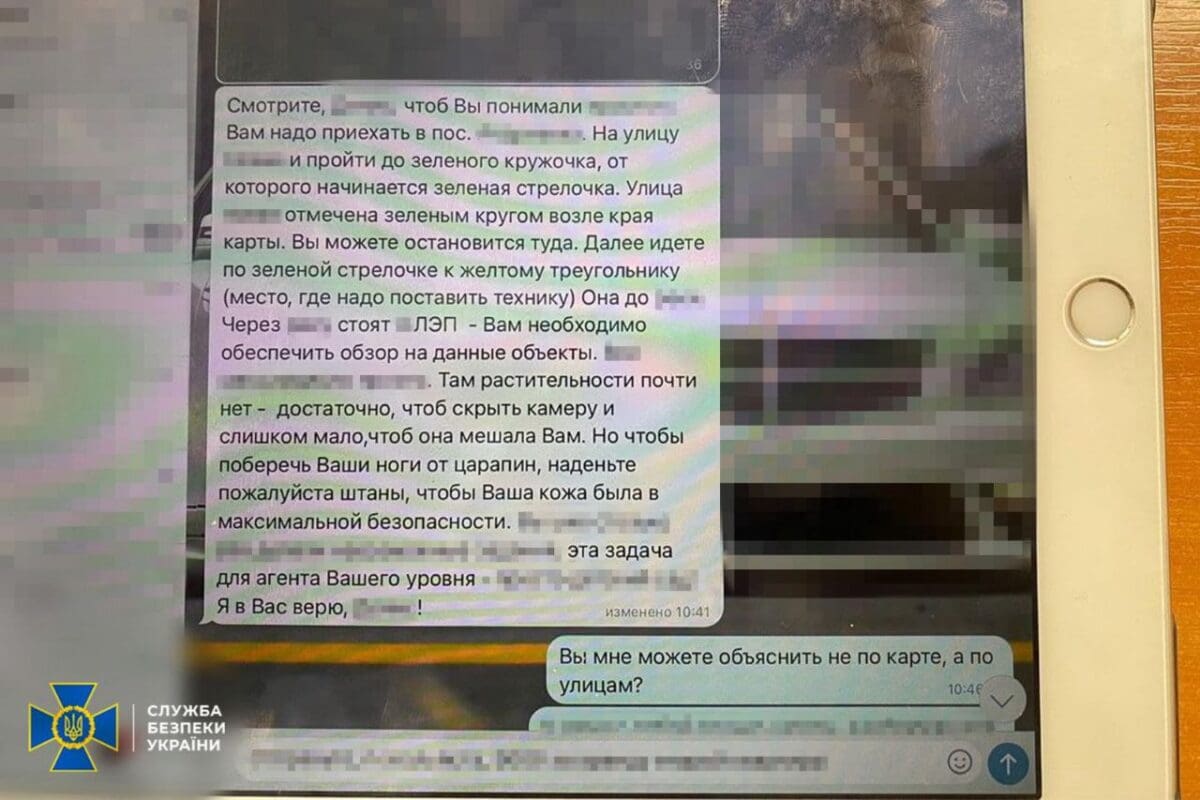
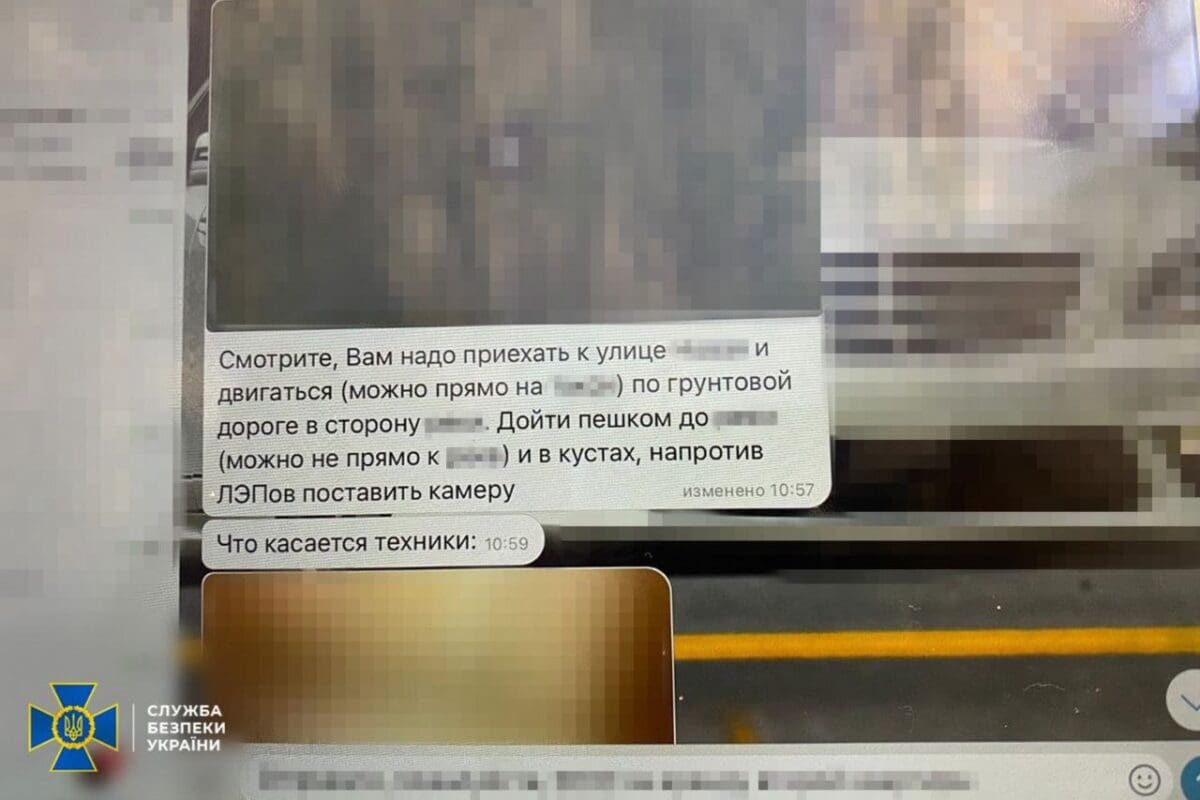
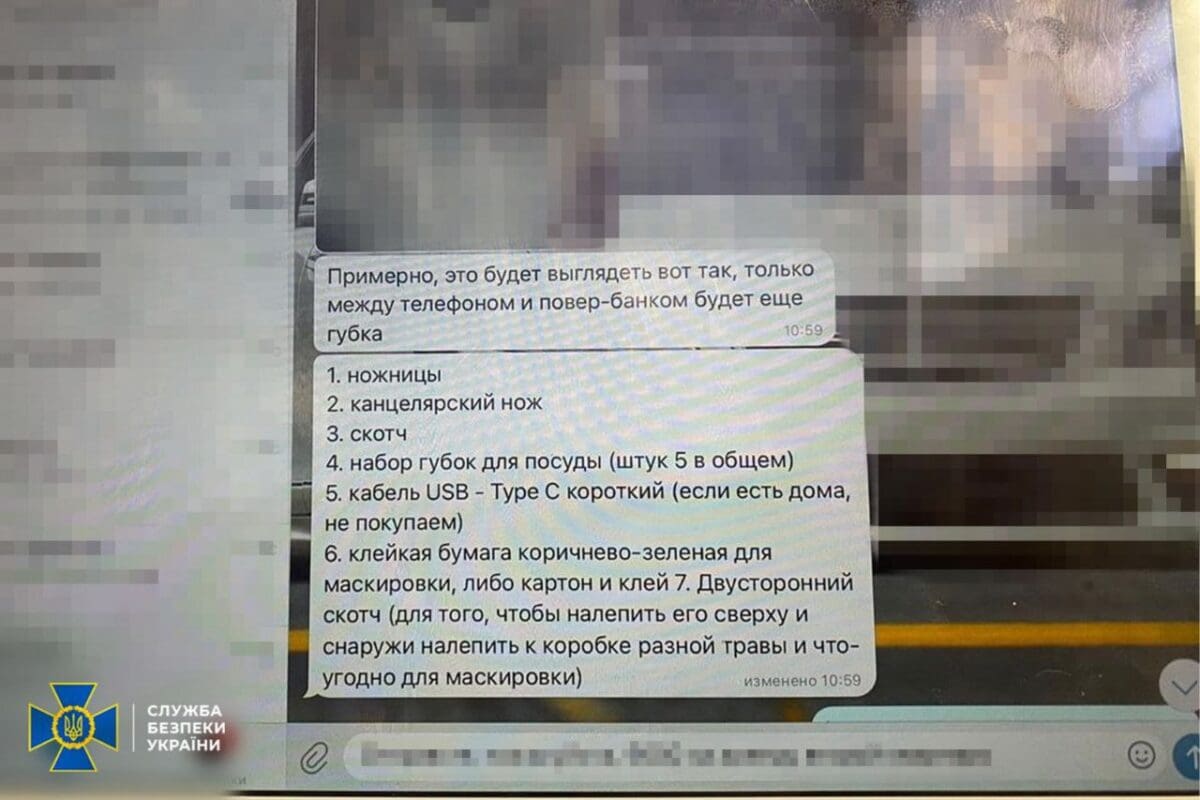
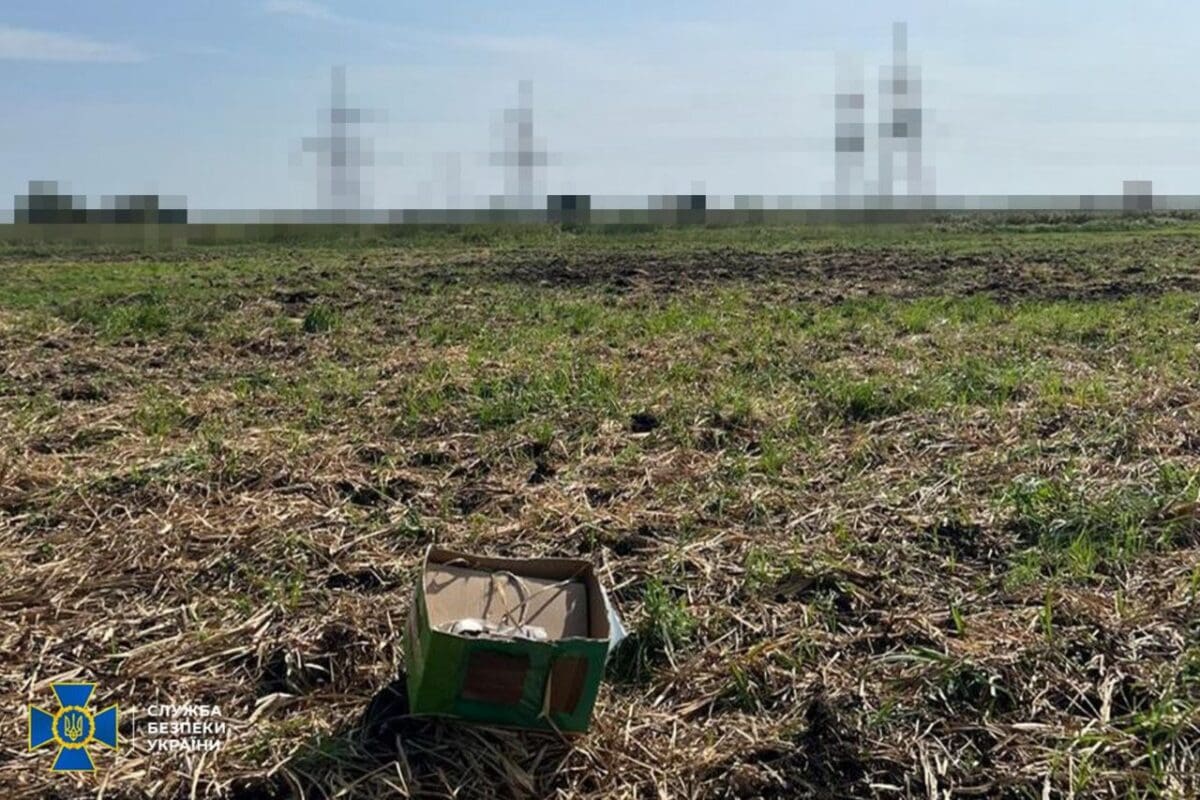
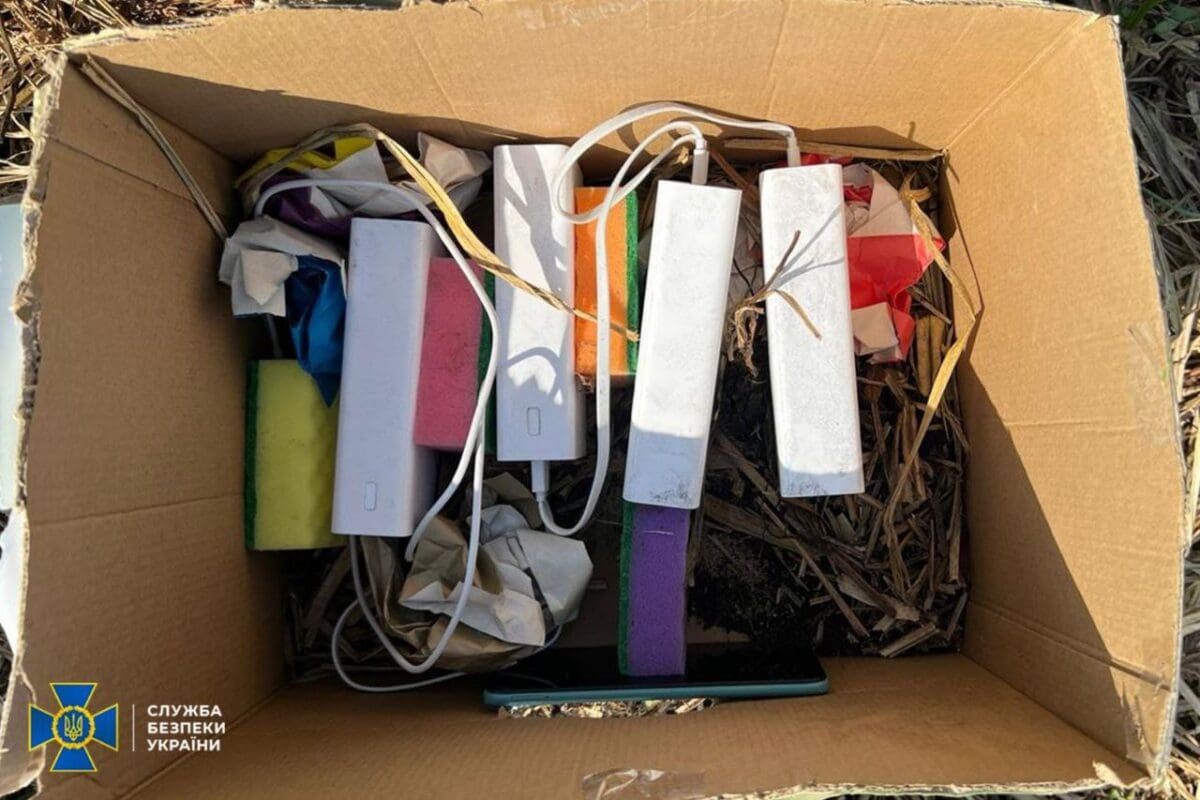
The SBU detained a Russian intelligence agent who was setting up so-called “video traps” for online adjustment of strikes on Kyiv.

від Савицький Олексій September 9, 2024

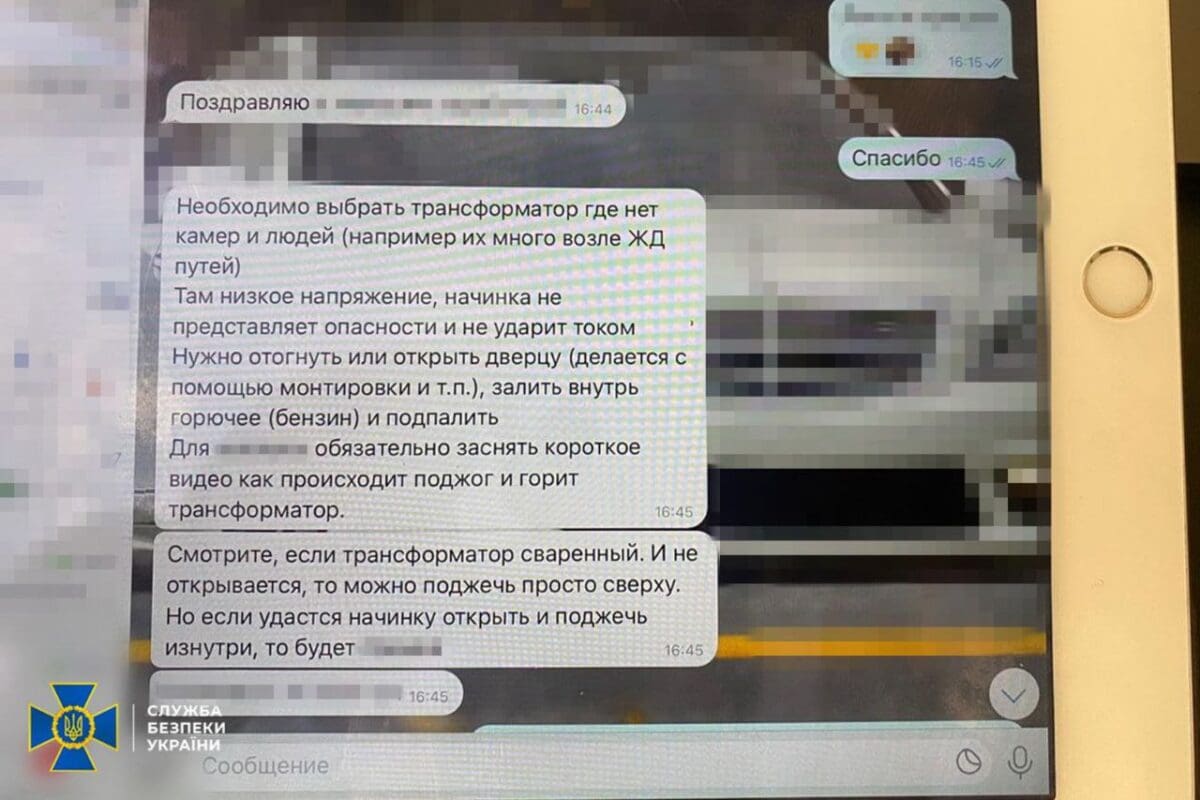
The Security Service of Ukraine (SBU) has detained an agent of the Russian military intelligence service (GRU) who was coordinating missile and drone strikes on Kyiv and arson attacks on Ukrzaliznytsia facilities. The Russian attacks targeted critical facilities, including thermal power plants, power lines, and power equipment at railroad junctions.

The detainee was a resident of Kharkiv, recruited through one of the Telegram channels, where he was looking for opportunities for “easy money.” On the instructions of Russian intelligence, the agent arrived in Kyiv, where he rented an apartment with a panoramic view of the local thermal power plant and installed a video camera for online strike adjustment. He also set up another vantage point in another rented apartment near the capital and set up video traps to track the effects of the strikes and detect air defense systems.

After completing these tasks, the agent returned to Kharkiv to set fire to a relay cabinet on a strategic railroad line. The SBU recorded his every move and detained him in Kyiv while he was setting up a new video camera to adjust the attacks.

The detainee was charged with high treason (part 2 of Article 111 of the Criminal Code of Ukraine) and is in custody. He faces life imprisonment with confiscation of property.

September 9, 2024
FacebookTwitterLinkedinWhatsappTelegramViberEmail
Analytics

Vyacheslav Lypynsky – the architect of Ukrainian conservatism

від Майданюк Валерій September 8, 2024

Against the backdrop of the value problems of modern Europe and Polish-Ukrainian relations, the life and work of Viacheslav Lypynski is a vivid example of constructive values and Polish-Ukrainian understanding.

Born in 1882 to a Polish family of right-bank gentry, Viacheslav Lypynskyi adopted Ukrainian identity at a young age in a Ukrainian environment. He addressed his family with the words: “We must go to those whose bread we eat and whose land we live on.” Although Lypynsky did not find understanding in his family, he continued his studies at European universities and took an active Ukrainian civic position. During the Ukrainian State of Hetman Skoropadsky, Lypynsky worked in the government and diplomatic service. After the defeat of the Hetmanate, in exile, Lypynsky created scientific historical and political works that became the foundational basis of Ukrainian political science and historical scholarship.

In contrast to socialism, which was popular at the time and captured the minds of many scholars and public figures, Lypynsky emphasizes historical experience rather than social utopias that would only lead to ruin. The scholar proposes conservative values of a strong state, respect for historical traditions, and support for the Ukrainian hetman as a legitimate vector for uniting Ukrainians in the struggle for independence.

Many of Lipinski’s ideas were realized by Ukrainians only after the full-scale invasion of 2022. In particular, the phrase “No one will build us a state until we build it ourselves. And none of us will make a nation until we want to be a nation” was realized by the masses only after the failed hopes for foreigners to either reform us or protect our country. Time has shown that we need to grow up and get rid of illusions. Ukrainians have had to see in practice the truthfulness of the conclusions of the founder of Ukrainian political science, Vyacheslav Lypynsky, whose experience has been updated again. Previously, Lypynsky was not mentioned because of Soviet censorship, and after gaining independence, they sought authority among other classics, avoiding conservatism.

Lypynsky was the author of the statehood concept of Ukrainian history: the state should be the basis for creating a nation. In his most famous work, Letters to Brothers Farmers, Lypynsky characterized three types of government, among which he distinguished ochlocracy-the power of the mob and dictatorship, democracy, and classocracy. The latter was supposed to be the rule of a moral elite headed by a British-style monarch-a ruler who does not directly rule but unites the country with his symbolic authority. Today, the institution of monarchy seems outdated, but Lipinski argued that every state in history has emerged on a monarchical basis. Even the United States had a long period of British monarchical rule, from which it derived its traditions. In the context of the civil war, the person of the hereditary hetman, according to Lipinsky, was to become a guarantor of stability in the country and save the nation from the chaos of hostility.

Despite modern ideas about politics, it is worth recognizing that the history of Ukraine in the twentieth century would have looked much less tragic if, instead of the Bolsheviks, Hetman Skoropadsky had remained in power and handed over power in the monarchical tradition. And after the state was strengthened, Lipinsky believed, democracy could be considered, which, however, he criticized for a number of shortcomings and weaknesses in the struggle for independence.

It is significant that, following the monarchist idea, at the end of his life Lipinsky quarreled with Hetman Skoropadsky in exile, believing that the monarch should be a model of virtue and bear more responsibility than other citizens. “To save the monarchy from the monarch” – this principle in European history has often served as a safeguard against voluntarism and arbitrariness of rulers and later became the basis for the establishment of democracies.

Today, Lypynsky’s legacy and political science recommendations are relevant for creating a stable, harmonious, strong, and prosperous state based on conservative values that build, not destroy.

Author: Valeriy Maydanyuk

September 8, 2024
FacebookTwitterLinkedinWhatsappTelegramViberEmail
World

The GUR is everywhere. Informal network congratulates Ukrainian intelligence officers around the world

від Юрій Гончаренко September 8, 2024

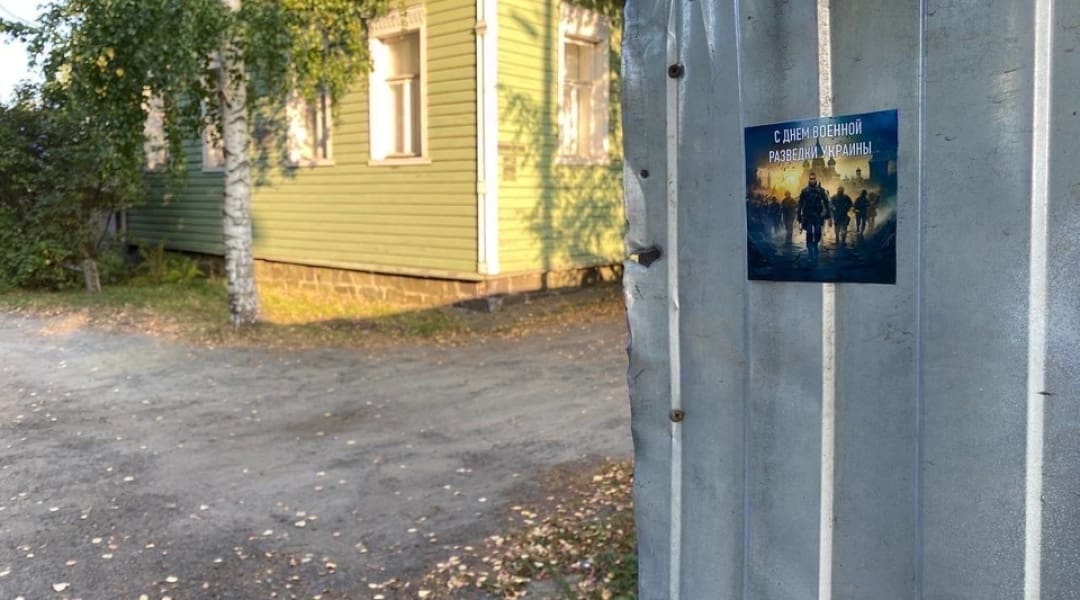
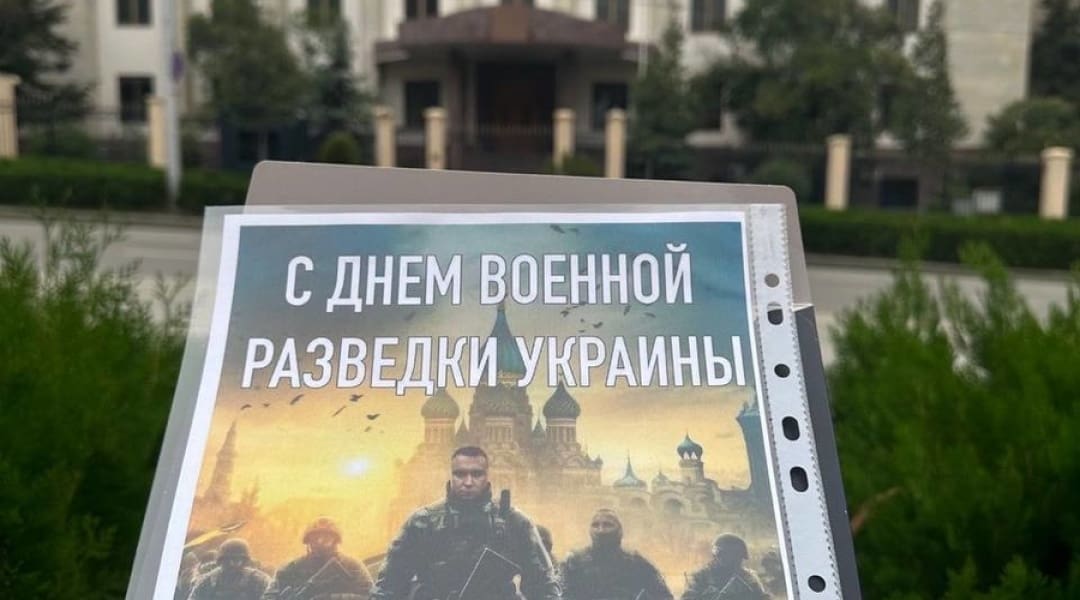
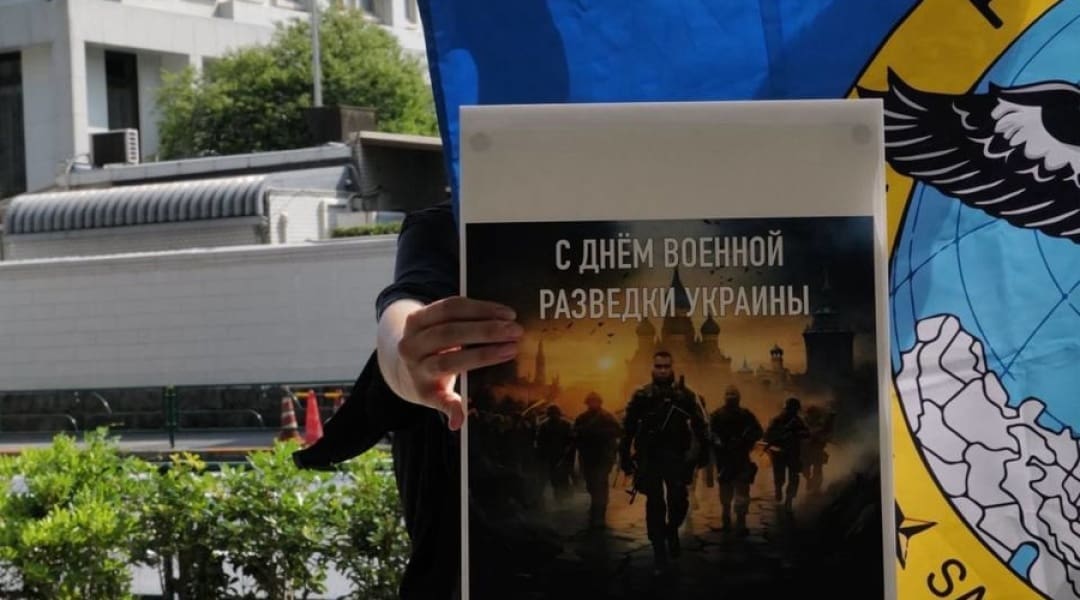
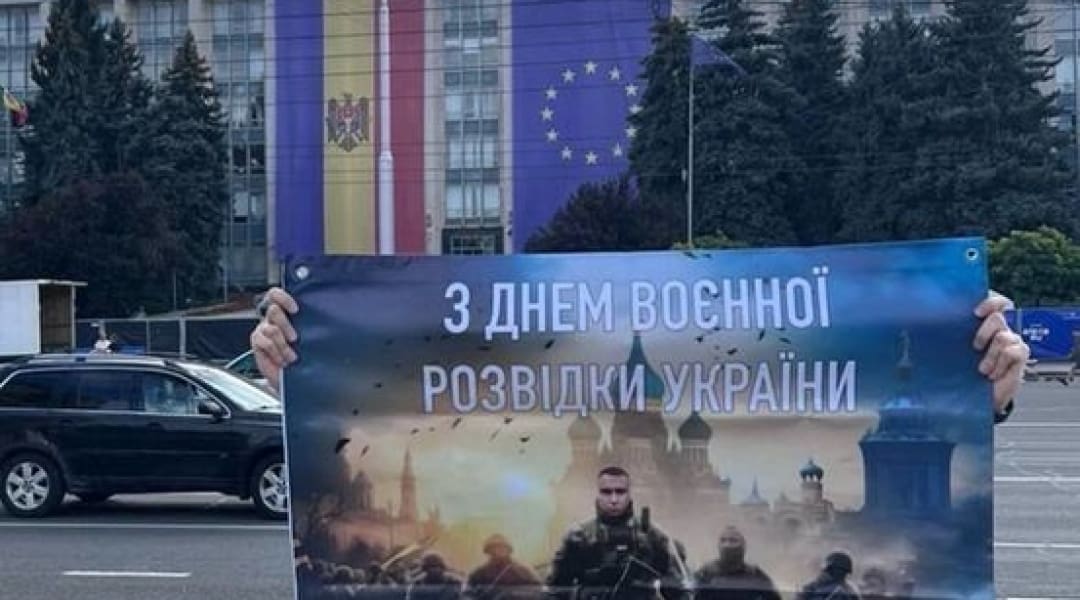
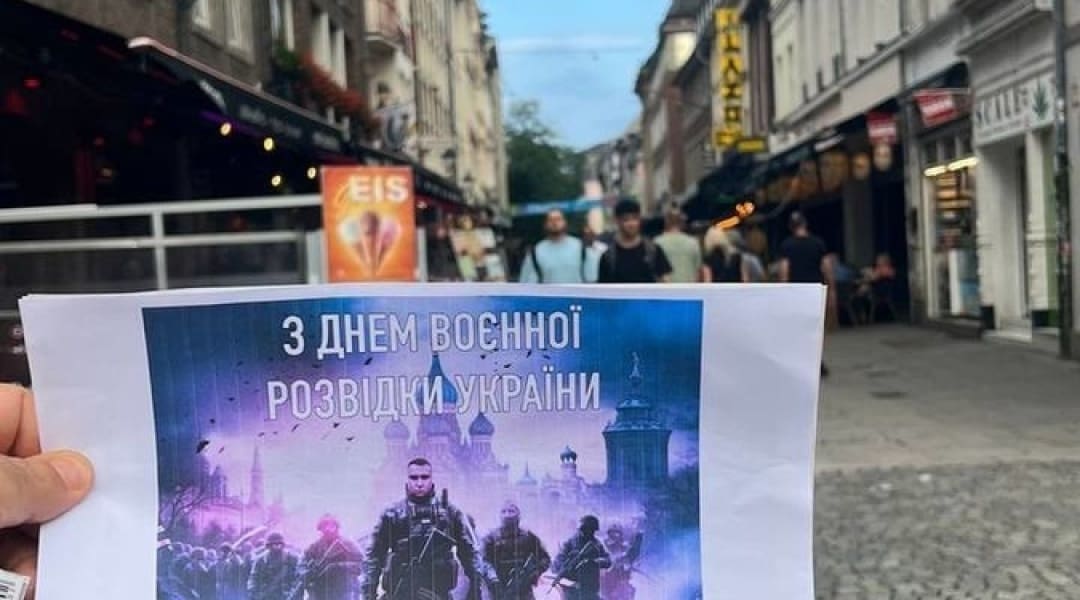
Sources. of the research and analysis group InfoLight.UA report on a large-scale action in support of Ukrainian intelligence officers, which took place in different parts of the world on the occasion of the Day of Military Intelligence.

According to available information, an informal group of patriots called “Medoid” placed greeting cards and DIU flags near iconic places in a number of countries, including Georgia, the United States, Spain, Italy, Germany, Japan, and Moldova. Interestingly, the campaign also covered the territory of Russia and Syria.

“We demonstrate that the influence of Ukrainian intelligence and support of our intelligence officers has no borders. We congratulate the intelligence community on their professional holiday! The wise guide the stars around the world,” the organizers of the event said.

It is worth noting that the published photos show flags of the Defence Intelligence of Ukraine and posters with congratulations near administrative buildings, Russian embassies and famous architectural monuments.

The Day of Military Intelligence is celebrated in Ukraine on September 7.

Photos courtesy of Medoid Group

Source: Ukrinform, InfoLight.UA’s own sources .

September 8, 2024
FacebookTwitterLinkedinWhatsappTelegramViberEmail
Position.

Testing unity: front, rear and the future of Ukrainian democracy

від Юрій Гончаренко September 4, 2024

There is a time for everything, a time for everything in this life. A time to be born and a time to die, a time to plant and a time to tear up what is planted by the roots. A time to kill and a time to heal, a time to destroy and a time to build

Ecclesiastes 3:1-14

In the midst of war, when every day tests our resilience and unity, we face a profound conflict of perspectives between the front and the rear. But how do we find a balance between these times in the context of a protracted conflict?

For those who look death in the eye on the front line every day, any excuses seem like empty words.

“Never in the history ofhuman conflict has so much been owed by so many to so few. ”

Winston Churchill.

At the same time, for conscious citizens on the home front who support the army and the country with all their might, forceful detention evokes disturbing associations with the past that we want to overcome. Tyranny, like hell, is not conquered easily.

Poor changes to the legislation on mobilization and their ill-conceived implementation have led to a paradoxical situation: the number of mobilized people is growing, but the capacity of the army is falling, and there is no mechanism for demobilization. This is reminiscent of George Orwell’s warning that “All animals are equal, but some animals are more equal than others.” Do we risk losing the democratic values we are fighting for?

Ukraine is different from Russia precisely because of its commitment to democracy. Even in wartime, coercion must be regulated and normalized. As Churchill aptly noted, “Democracy is the worst form of government, except for all others.” But will our democracy stand the test of war?

The hypothetical scenario of a dictatorship in Ukraine is hampered by the lack of a charismatic leader with absolute authority and the risk of a coup d’état. “Power corrupts, absolute power corrupts absolutely.” Are we ready to risk everything we have fought for for the sake of the illusion of a “strong hand”?

Public conflicts between the military and civilians can lead to a deep split in society, a decline in the legitimacy of the military, and acts of disobedience. “Violence begets violence, hatred begets hatred.”

Do we risk losing the unity that makes us strong in the face of the aggressor?

Calling for the use of weapons against civilians in irregular situations is a dangerous path. “Those who fight monsters should beware of becoming monsters themselves.” Don’t we risk turning into the very thing we are fighting against when we fight an external enemy?

In seeking a balance between military needs and democratic values, we must be careful about making simple decisions and always consider the long-term consequences of our actions.

What should be done? Perhaps the first thing to remember is that there is a law. The actions of the recruitment centers are strictly limited by it. And if the state does not want its less influential citizens to sabotage it, it must moderate the situation. To begin with, it should start punishing flagrant cases of abuse of power by recruitment centers. Does it punish? No, it doesn’t. The Ombudsman says there is no proper movement in that direction.

Vitaliy Rudenkyi, analyst, lecturer at the Ukrainian Catholic University

After all, our struggle is not just about territory or resources. It is a struggle for values, for the right to be free people in a free country. Because only together, while maintaining our humanity and loyalty to democratic ideals, will we be able to withstand this challenge and build the Ukraine we dream of.

September 4, 2024
FacebookTwitterLinkedinWhatsappTelegramViberEmail
Analytics

International Representation of Christian Democracy

від Майданюк Валерій September 2, 2024

Christian democrats are active in international politics, and among the international structures that unite Christian democrats in their ranks are the Christian Democratic International (CDI), a worldwide organization of Christian democratic parties, the European People’s Party, and the World Confederation of Labor (formerly the International Federation of Christian Unions).

In Europe, the first association of Christian democrats was formed in 1947 and was called the New International Group (NEI). Already at the first European Assembly, Christian political activists initiated a number of European integration proposals towards an economic and political union of Western European countries in accordance with the principle: “Integration as much as possible; supranationality as much as necessary.” In 1965, this international association was renamed the European Union of Christian Democrats.

The first faction group of European Christian parties was created in 1953 within the European Coal and Steel Community, and it was already the most powerful political group. In 1976, an international alliance of Christian parties, the European People’s Party (EPP), was created to participate in the European Parliament elections, and it began to represent the views of European centrists. The foundations of its ideological orientation were the Christian democratic principles of personalism, solidarity, subsidiarity, the Christian concept of the individual, and the theory of social market economy. At the same time, the Manifesto of the Christian Democrats of Europe was approved, which became the ideological foundation of the EPP. The main goal of the European People’s Party was declared to be the creation of a single state – the “European Federation”, the first stage of which is the current European Union. The new state should occupy a significant place in international relations, and European institutions, such as the European Parliament and the new European government, would determine broad aspects of economic, social and even military policy.

The main ideological opponents of the EPP in the European Parliament are the left-wing forces, which has led to the need to consolidate the European Christian Democrats and Conservatives. Until recently, members of the European People’s Party faction were deputies from the British Conservatives. Today, the EPP has the largest faction in the European Parliament with 264 members and unites 72 center-right member parties from 39 countries. In Europe, the EPP has 16 heads of national governments (10 in the EU + 6 in non-EU countries) and its representative as President of the European Parliament.

At the world level, the Christian democratic community is represented by the Christian Democratic International (Centrist Democrat International – Internationale Démocrate Chrétienne, CDI-IDC), which was established in 1961 under the name World Union of Christian Democrats (WUCD) after the integration of the European Christian Democratic Union and the Organization of Christian Democrats of America. The purpose of the organization was declared to be the promotion of the ideas of Christian democracy throughout the world. Already in 1982, the organization was renamed the Christian Democratic International (CDI).

The international includes three international party associations: “New International Teams” was created on the basis of the European Christian Democratic Union, the Organization of Christian Democrats of America and the Christian Democratic Union of Central Europe. The headquarters of the Christian Democratic International is located in Brussels. In 1999, the organization was renamed the “Centrist Democratic International” to demonstrate the participation of representatives of other religions, not just Christianity, in the movement. The association is open to political parties and organizations that base their policies on the principles of Christian and integral humanism, which recognizes the existence of a spiritual dimension in human nature and is committed to the ideals of brotherhood. Today, the international organization includes more than 100 parties, but not all of them can be considered Christian democratic. Most of the European members of the Centrist International are also members of the European People’s Party.

Author: Valeriy Maydanyuk

September 2, 2024
FacebookTwitterLinkedinWhatsappTelegramViberEmail
Новіші
Старіші

ВАЖЛИВЕ

Who forms the “hawkish” wing of the US...

January 22, 2026

Stepan Tomashivsky is a conservative who warned of...

December 28, 2025

A Pole who believed in Ukraine earlier than...

December 26, 2025

Being yourself and not pretending: how conservatism is...

December 10, 2025

MAGA as a new ideology of American conservatism

December 7, 2025

UKRAINIAN EXPERTS TALKS’S PODCAST

Новини

  • The Conservative Platform has gathered the best scholars to launch a systematic work on debunking Russian myths

    December 1, 2025
  • Budanov has a sober view of geopolitics and leads an effective team – blogger

    July 3, 2025
  • CDU/CSU leader pays support visit to Kyiv

    December 9, 2024
  • With the help of Russia, the Taliban wants to build an air defense of Afghanistan

    September 11, 2024
  • Americans to deploy Typhon missiles capable of reaching Russia on Japanese islands – media

    September 10, 2024
Назад Вперед

Спротив.News

«
Prev
1
/
213
Next
»
loading
play
Мінуснули три мости за раз! Сили оборони ламають логістику окупантів на ТОТ!
play
Крим переходить у режим ізоляції? Окупанти скасовують масові заходи до 1 вересня!
play
«Гордість, Єдність, Мрія»? Як РФ перетворює День молоді на ТОТ на шоу пропаганди
«
Prev
1
/
213
Next
»
loading

Реалізується ГО Фонд сприяння демократії за підтримки Фонду Ганнса Зайделя в Україні

Copyright © 2017 Фонд сприяння демократії Наші Політика конфіденційності,  Умови використання сайту
Facebook Youtube Telegram Spotify Instagram Linkedin
Консервативна Платформа
  • News
    • Analytics
    • Worldview
    • Anti-imperial front
    • Weapons
    • Geopolitics
  • publication
  • Position.
  • Events.

Shopping Cart

Close

No products in the cart.

Close
  • Українська (Ukrainian)
  • English