Консервативна Платформа
  • News
    • Analytics
    • Worldview
    • Anti-imperial front
    • Weapons
    • Geopolitics
  • publication
  • Position.
  • Events.
Thursday, August 27, 2026
  • English
    • Ukrainian
Консервативна Платформа
  • News
    • Analytics
    • Worldview
    • Anti-imperial front
    • Weapons
    • Geopolitics
  • publication
  • Position.
  • Events.
Консервативна Платформа
  • News
    • Analytics
    • Worldview
    • Anti-imperial front
    • Weapons
    • Geopolitics
  • publication
  • Position.
  • Events.
Copyright 2021 - All Right Reserved
Anti-imperial front

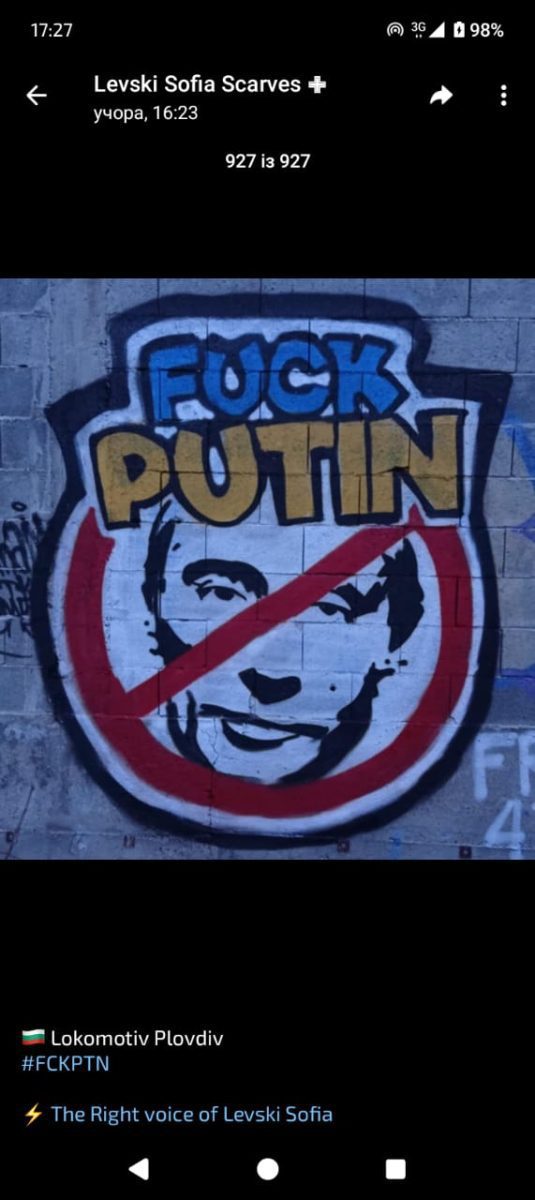
Anti-Putin trend: Europeans take to the streets from Vilnius to Brussels

від Юрій Гончаренко November 24, 2025

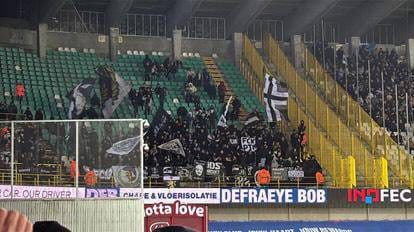
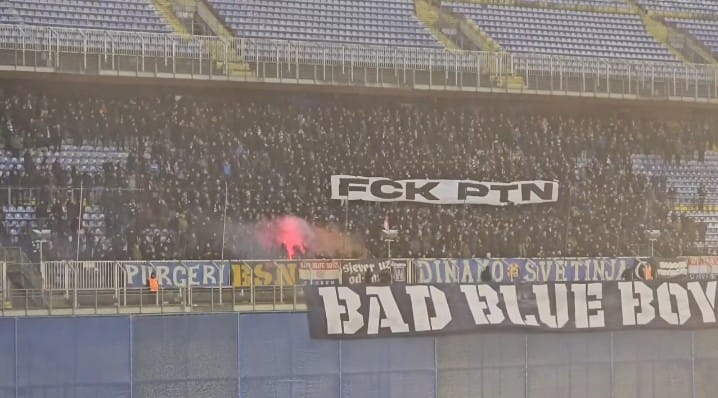
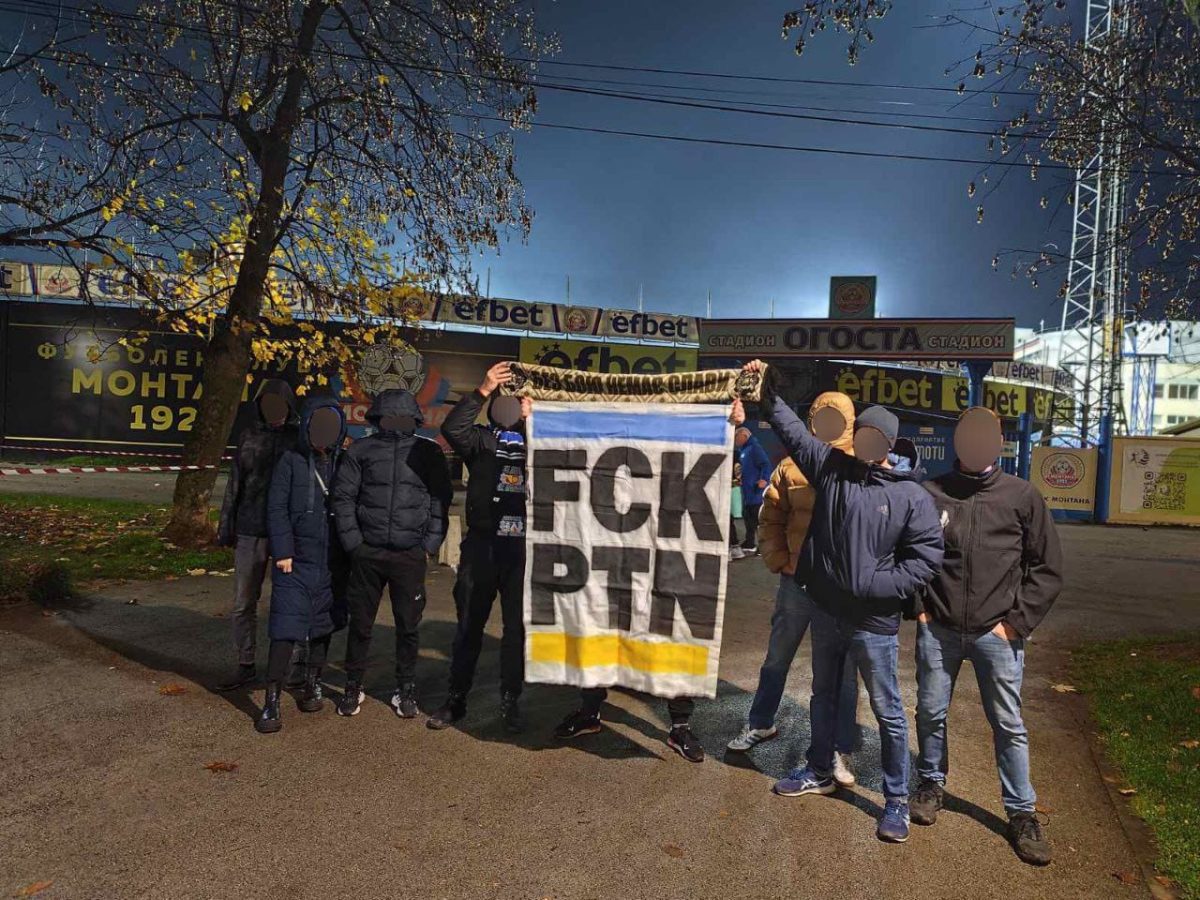
A wave of anti-Putin rallies swept across Europe on November 23. In Vilnius, activists hung a poster “FCKPTN” on the Mindaugas Bridge. On the same day, similar banners were unfurled on football stands in Belgium and Bulgaria during the Brugge vs Charleroi and Brugge vs Spartak matches.

“STOP LUKA” posters are also appearing in European stadiums and streets, against the Lukashenko regime. In Lithuania, such actions have long been regular, but now the practice is spreading across the continent.

November 24, 2025
FacebookTwitterLinkedinWhatsappTelegramViberEmail
Analytics

Dontsivshchyna and Drahomanivshchyna: Willpower and Weakness of Mind

від Майданюк Валерій November 16, 2025

To the reader of this short article, I offer my thoughts on Drahomanov and Dontsov, their teachings, the followers of these teachings, and most importantly, what doctrine the Ukrainian people should take as their compass today, when the threat of extinction and Moscow slavery hangs over them once again.

If we briefly describe the “science” of of Dontsov and Drahomanov, or rather their polarized worldviews, the basis of Dontsov’s worldview and “science” Dontsov’s worldview and “science” is the will, and Drahomanov’s is the mind. Dontsov is the ardent desire of a spiritual man, while Drahomanov is a cooled-down rationalism.

It would seem that today, reason, intelligence, and calculation are the most important worldview foundations of any person. The foundations that significantly improve the quality of human life and cognition. The foundations that bring different nations to a common denominator, making wars impossible, because the logic is common to all – this is Drahomanov’s worldview. Indeed, it is pointless to deny the contribution of intelligence and analysis to the development of human life. But it is one thing to use intellect in schools, academies, in the study of the structure and structure of any matter, and this list can go on for a long time. But it is another thing to transfer the laws of logic, analysis and calculation as the basis for the birth, formation and survival of a nation, which is exactly what Drahomanov did, giving rise to a whole galaxy of his followers who led the Ukrainian nation to slavery and destruction, both physically and spiritually.

Looking back, we see that history is not made by analysts and rationalists who calculate probabilities, pragmatic benefits, or simply engage in passive philosophical observation, but by people who have a great and unquenchable “want” – I want freedom, I want empire, I want power, etc. And if this “I want” is strong enough and comes from the deepest and brightest corners of the human soul, then it breaks through the thickness of the “most objective impossibilities” that the logical mind tells us about.

I will not describe these examples in detail, but will simply list them: the formation of monarchies and empires (the Macedonian Empire, the Ottoman Empire, Napoleon’s French Empire, the Moscow Empire-USSR, etc.); the destruction of the ancient monarchies that once dominated Europe and which had all the power of national movements, etc. The creation of all these empires out of “nothing” is possible only thanks to the irrational “want” that the Macedonians, Ottomans, Napoleon, Ivan the Terrible, Peter the Great, Lenin, and Stalin had.

The destruction of these empires and the seemingly “unchanging” order that they created was also the result of an irrational, volitional “want.” Their creation and destruction is impossible from the point of view of “laboratory” analysis, but from the point of view of the willful “I want”-it is absolutely possible. That is why Dontsov lays the foundation for the national worldview in the will-the creative and ardent desire to create and fight, rather than passive observation and analysis, which says that your deepest spiritual aspirations are “impossible” to satisfy, so you have to adapt and not demand the “impossible”-this was the main slogan of Drahomanov and his “apostles.” From their worldview emerged the state ideal, as Dontsov so aptly puts it, of a “cheerful and happy slave nation under the wings of a conquering nation.”

From this “science” follows – quite logically – the idea of a federation and changing the evil nature of Muscovites by “magic science,” logic, common sense, humanism, etc. And the “leaders” of the Ukrainian nation poisoned by this “science” in the twentieth century tried to realize these ideals in a poor way, but the leaders of the Muscovites and Poles-unlike ours-were guided by a real life-historical “science”-the willful “I want,” so they won and we lost. We can see that Drahomanov’s worldview and his ideas failed.

But to whom does the Ukrainian nation owe its state and freedom today? To those who wanted national freedom, but did not prove its relevance or possibility. Not to Hrushevsky, Vynnychenko, Efremov, or Drahomanov, but to Shevchenko, Lesia Ukrainka, OUN members, UPI members, numerous dissidents, and writers who realized Dontsov’s ideals-who put the Ukrainian willful “I want” above all else, without dampening or weakening it with any mental sanctions.

I emphasize that logic, rationalism, analysis, and observation are not harmful things in a worldview. However, when it comes to the nation and its life, the basis of the national worldview should be the will. Dontsov’s reason and analysis are guided by the will and “want,” while Drahomanov’s is the opposite: reason guides the will and “want,” giving it sanction or justification.

Therefore, to summarize, it is obvious that Dontsov’s strong-willed worldview should be a compass for us in this struggle for national life, as it is crystallized from the ideals of Shevchenko, Lesya Ukrainka, and other writers, from the Ukrainian unrestrained “I want,” from the historical experience of mankind. And it is this worldview that raised the UPA-UN generation, which is a spiritual and ideological model for our army today in the struggle for its existence, formation and development as a nation.

Author: Maksym Pominchuk

November 16, 2025
FacebookTwitterLinkedinWhatsappTelegramViberEmail
War

DIU special forces urgently redeployed to Pokrovsk to stabilize critical situation

від Юрій Гончаренко October 27, 2025

The Main Intelligence Directorate has sent active duty units to the hottest defense area to save the city from Russian occupation. This was reported by journalist Andriy Tsaplienko, citing his own sources.

According to the journalist, the DIU special forces have already arrived in Pokrovsk and have started working with the Armed Forces of Ukraine. The decision to deploy the elite units was made personally by the Chief of the Defence Intelligence of Ukraine Kyrylo Budanov.

The main task of the scouts will be counter-sabotage work and elimination of enemy groups that managed to infiltrate the city. The special forces have already started performing combat missions in the most difficult part of the frontline.

The situation in Pokrovsk remains critical, with the city under constant threat of encirclement by Russian troops.

October 27, 2025
FacebookTwitterLinkedinWhatsappTelegramViberEmail
Anti-imperial front

History as a weapon: an expert discussion on narratives, hybrid aggression, and the protection of historical memory

від Майданюк Валерій September 18, 2025

While fierce battles continue at the front, an equally fierce war is being waged on another battlefield, the information one. Its main target is our memory. History in the hands of the aggressor is not just an ideology, but a weapon of mass destruction.

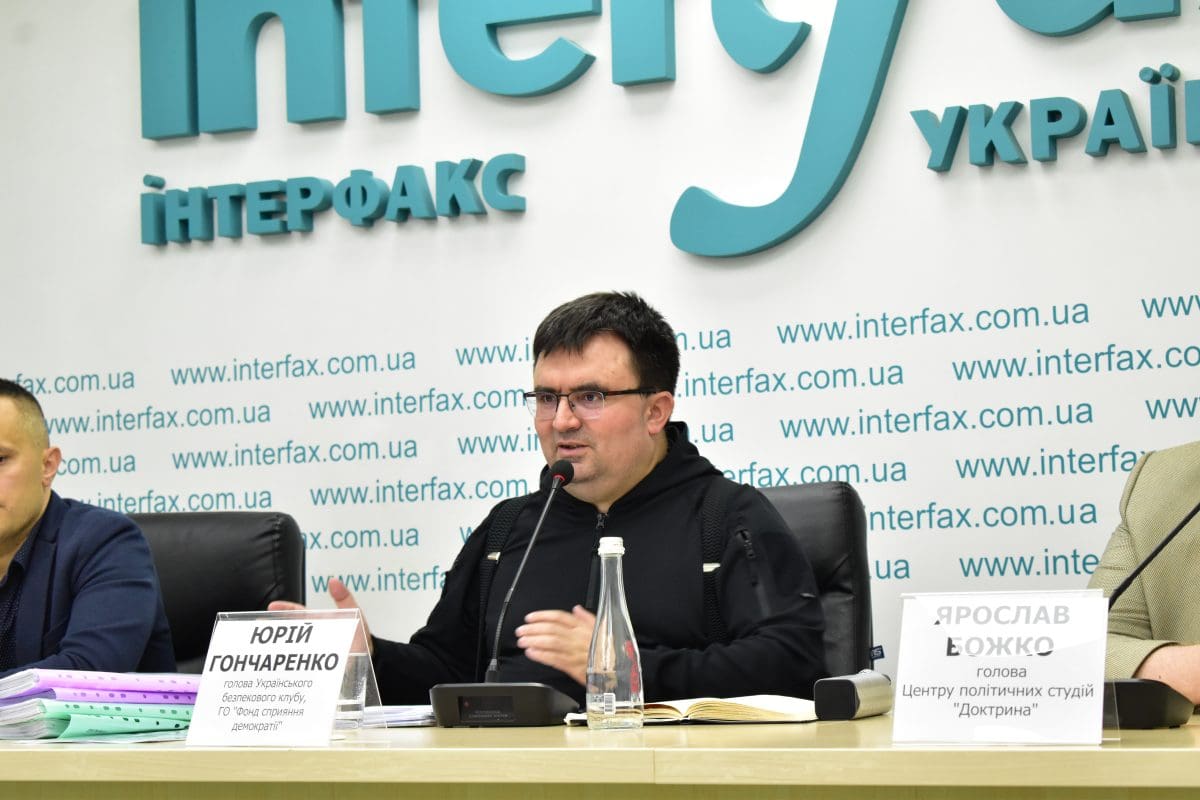
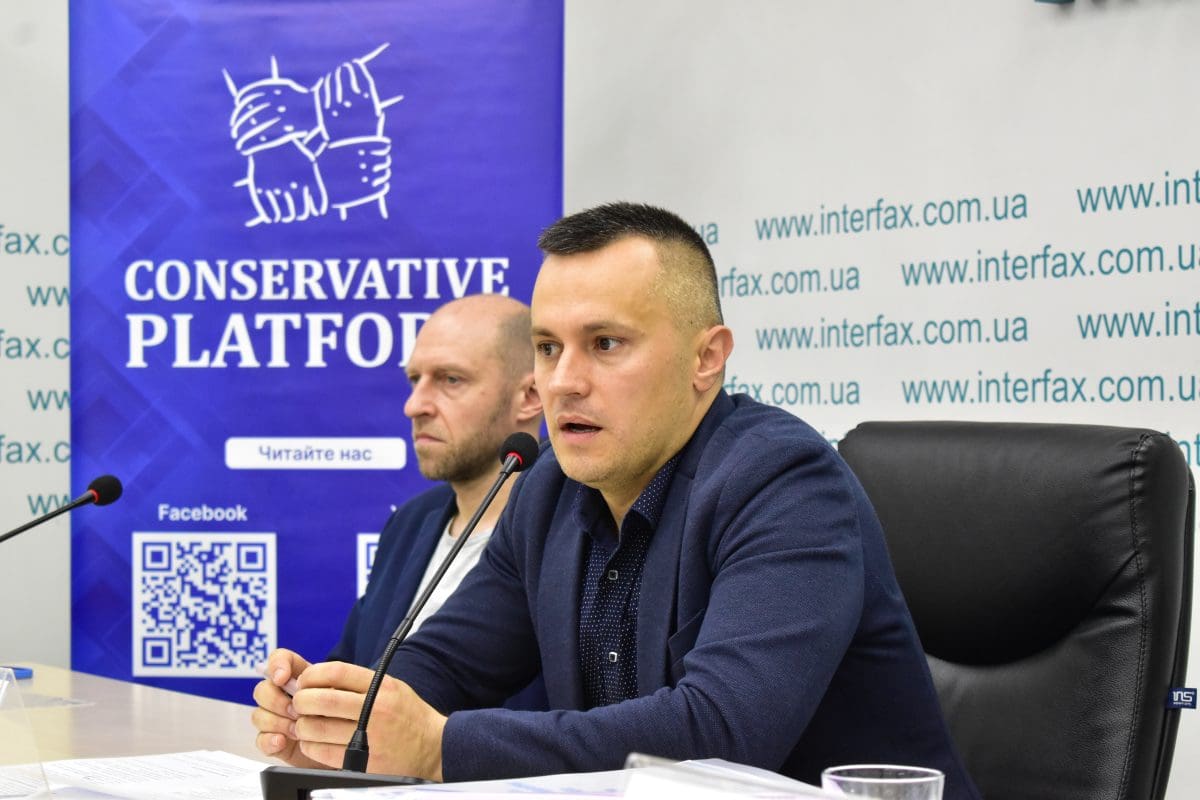
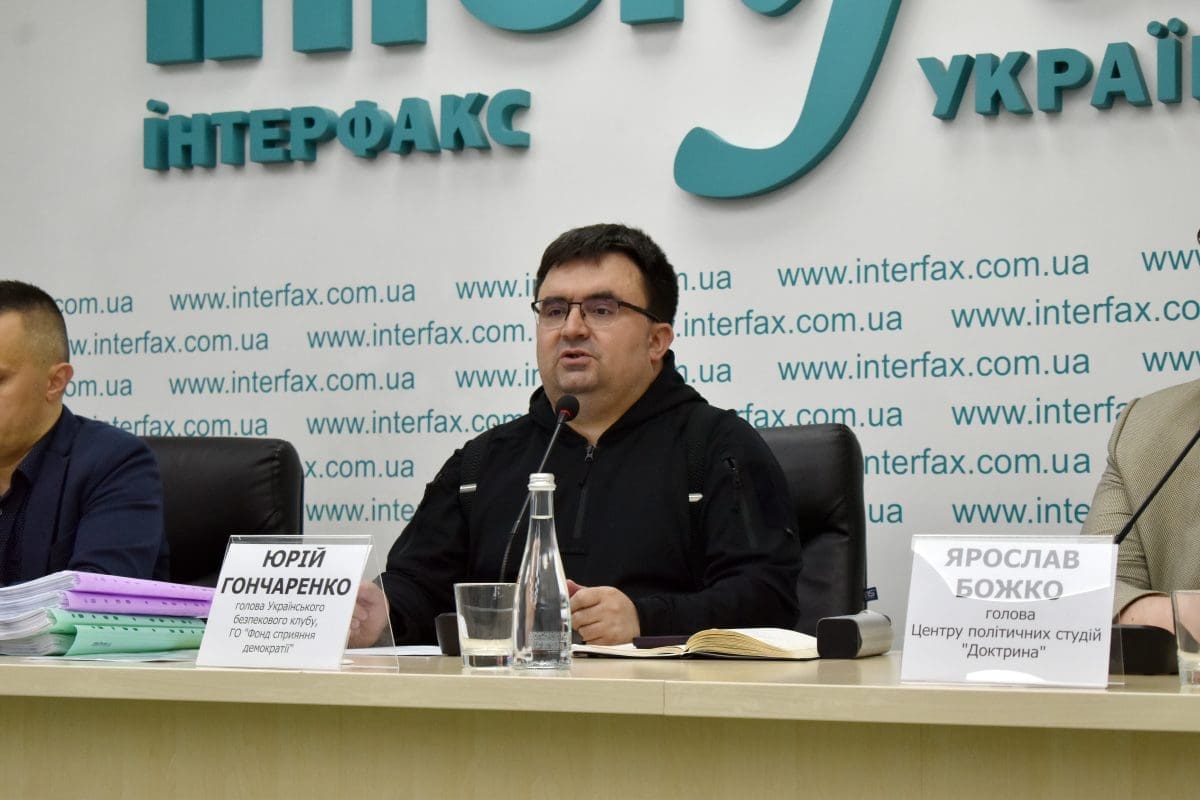
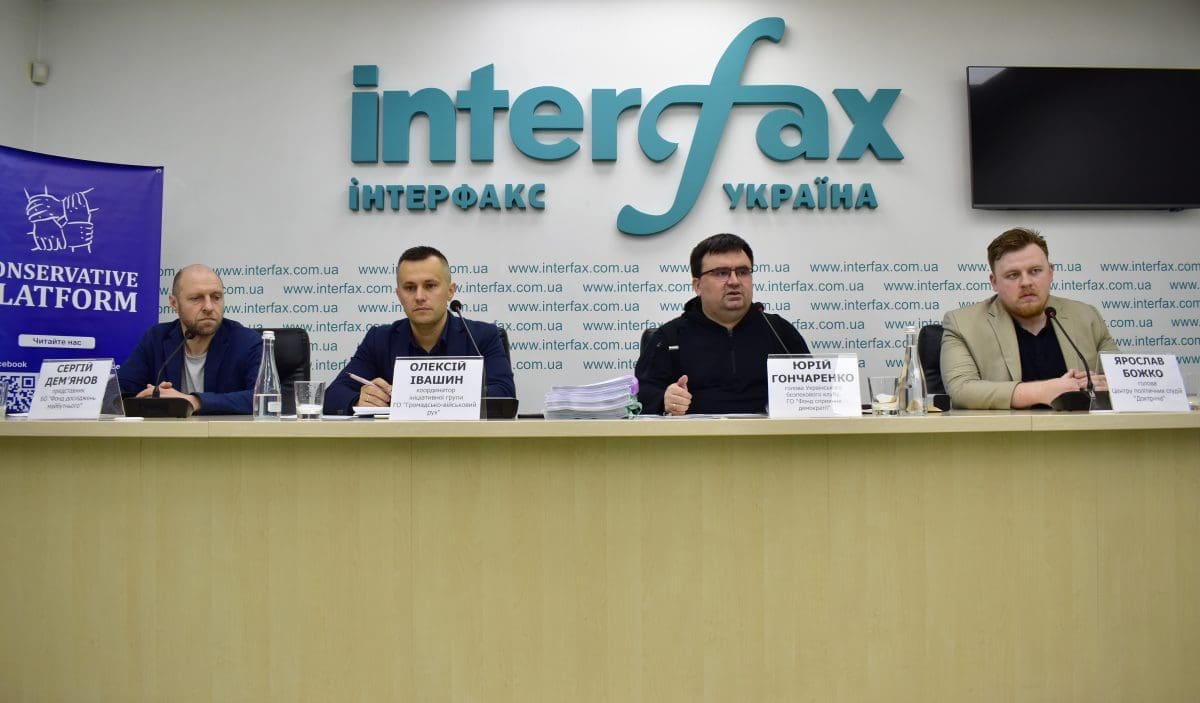
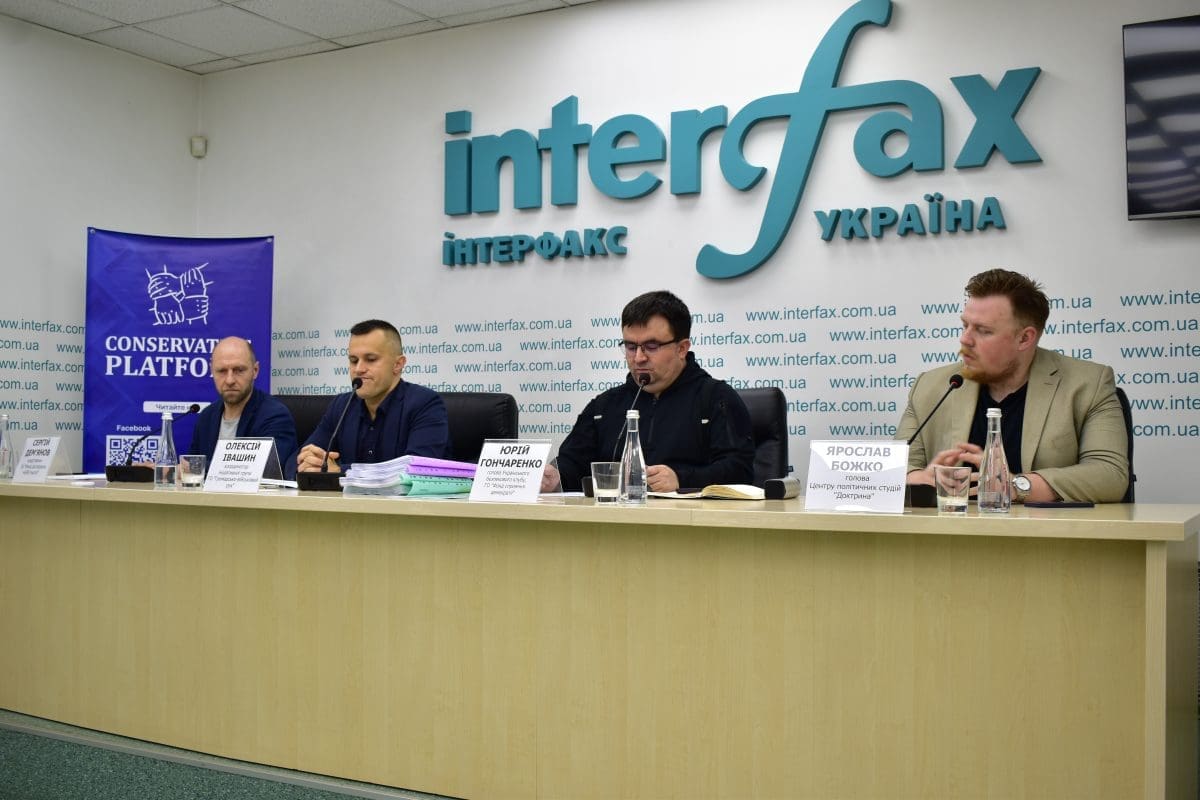
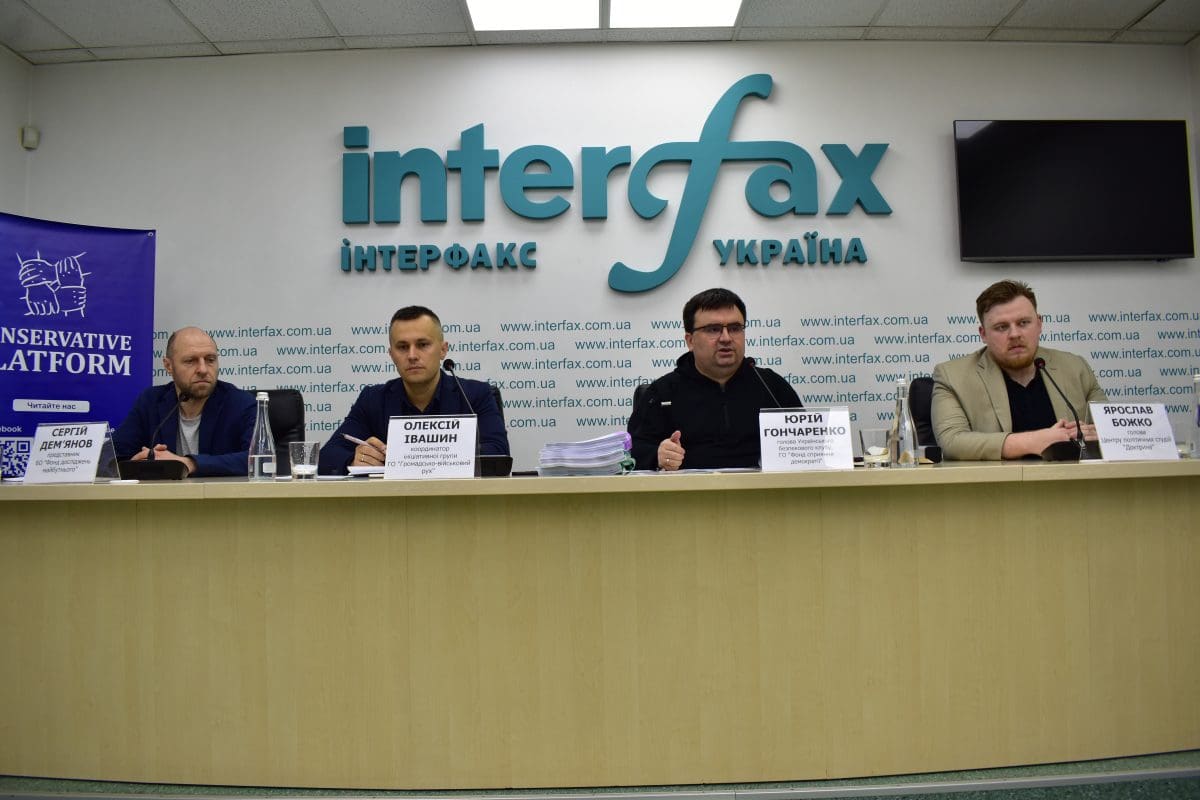
On September 16, the Interfax-Ukraine news agency hosted a panel discussion titled “History as a Weapon in the Context of Modern Aggression and Challenges for Ukraine and Europe.” The event brought together leading experts in the fields of history, security, politics, and defense – those who are well aware of the value of historical truth and the power of historical lies.

The panel discussion was an attempt to provide a professional answer to the question: How does the Kremlin create and impose false historical constructs? How do these narratives work in Poland, Germany, and even in the occupied territories of Ukraine? And what can and should we-as a state, as a society, as individual citizens-opposition?

The event was organized by the Ukrainian Security Club, the Conservative Platform and the InfoLight.UA analytical group with the support of the Hanns Seidel Foundation in Ukraine.

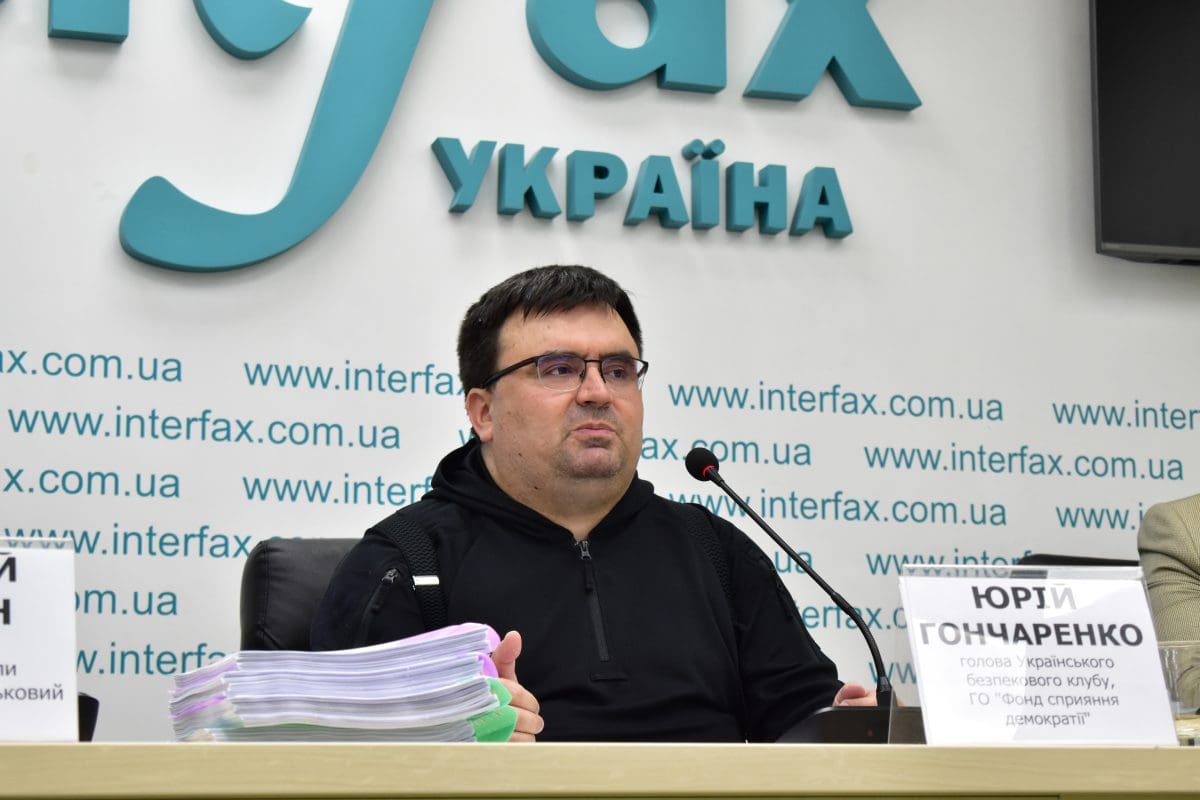
Yuriy Honcharenko: “History is a battlefield for consciousness, not archival dust”

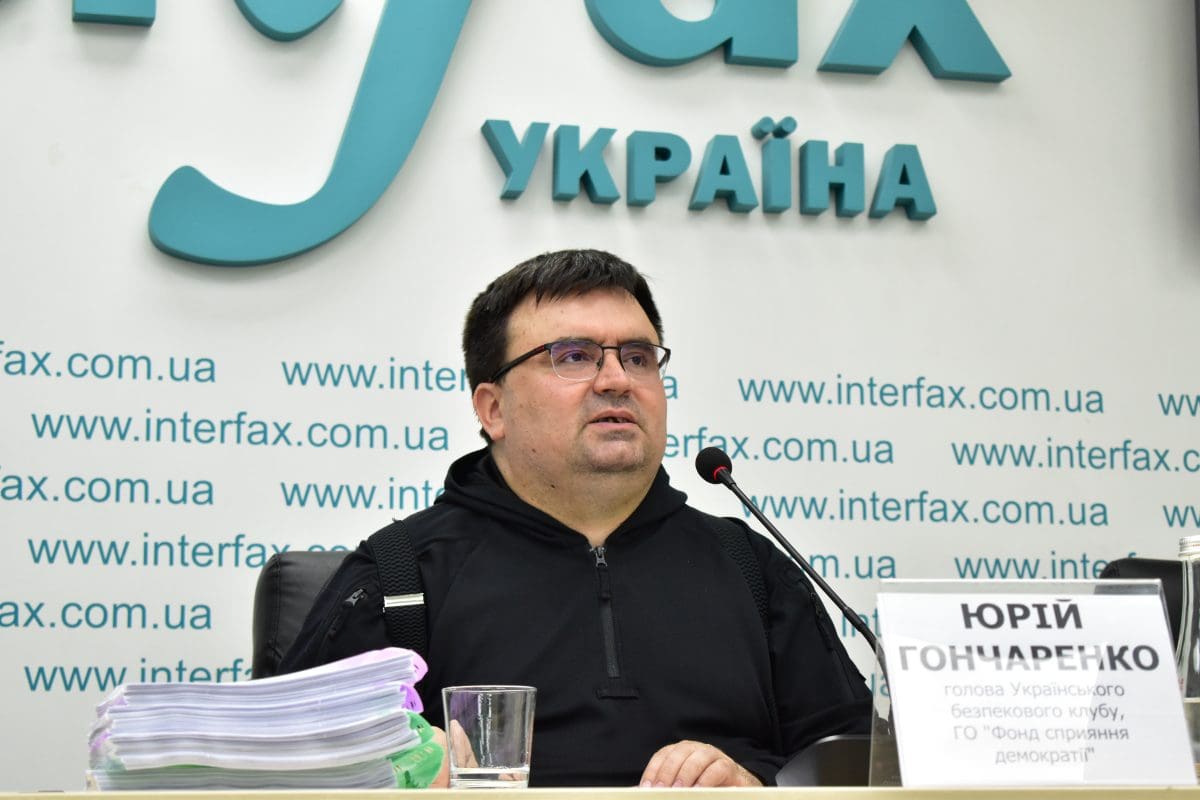
Opening the discussion, Yuriy Honcharenko, Chairman of the Ukrainian Security Club, noted that in the context of hybrid warfare, history has ceased to be just a science. It has become a weapon. Moreover, it is a highly accurate and systematic tool of aggression.

“We can no longer treat history as something aloof. It is not just memories. It is a battlefield. Against Ukraine, against Europe, against the very idea of civilizational stability,” he said.

According to Honcharenko, the most dangerous form of this war is the manipulation of history in children’s education. He cited the example of Buryatia, where Russia is testing a new model of education: “We are talking about ‘seamless education’ where history is presented not as a science, but as programming. This model is already working, and it will soon be scaled up across the rf. It is based on a systematic distortion of facts, a complete loss of critical thinking, and the ideological formation of a “good citizen. This is total control over the child’s mind. They are told: if you want to live a good life, accept the official myth. Give up your identity”.

Goncharenko emphasized that such a “story” is not just a danger, but a form of aggression that has consequences no less than missiles. “We must include historical policy in the concept of national security. Because information is also a weapon. History is another front where it is decided whose future will be.”

Oleksiy Ivashyn: “The Kremlin is not only attacking the frontline – it is breaking historical trust”

Oleksiy Ivashyn, a veteran, researcher of the liberation movement, and analyst, speaks about history not as an academic but as a fighter. Indeed, he fought both on the physical front and on the informational front, where the enemy fires not bullets but fakes, archival fakes, and distorted narratives. “Working with historical issues is also an information operation. And if you take it on without understanding the consequences, you are already playing on the side of the enemy,” Ivashyn emphasized.

That is why he recalled the words of the Chief of the Defense Intelligence of the Ministry of Defense, Kyrylo Budanov, which every historian, journalist, or teacher should remember as a principle: “Information is also a weapon. And if you unknowingly play along with the enemy, you should think about it.”

This thesis was central to Ivashyn’s entire report. He showed in detail how the Kremlin uses painful historical topics – Volhynia, Operation Vistula, interwar pacification – to destroy the strategic alliance between Ukraine and Poland. “This is a systematic campaign. Everything has been thought out to the last detail: fake news, activation of botnets, pseudo-scientific articles, YouTube documentaries, even diplomatic provocations. And all this is to drive a wedge between nations fighting the same enemy.”

Ivashyn emphasizes that this is no longer just “information noise,” but a multi-level information and psychological special operation with a budget, plan, and goals. “рossia wants Ukraine to be left alone. Without trust, without partners, without a common history with Europe. And if we do not have our own historical policy, we will lose on this front.”

Yuriy Oliynyk: “Defense is not enough. We must create our own historical weapons”

Yuriy Oliynyk , PhD in Political Science, an officer of the Armed Forces ofUkraineand director of theUkrainian Strategic Studies, speaks about history as an instrument of power, not just a field of humanitarian studies. His message is active and uncompromising: For too long, Ukraine has been playing a reactive game, refuting other people’s fakes and justifying itself within someone else’s framework. It is time to go on the offensive. “We should not allow anyone to teach us our history. On the contrary, we should expose theirs: colonization, deportations, broken identities, stolen narratives.”.

Oliynyk presents a collective book about the enslaved peoples of Russia-the voices of Buryats, Tatars, Caucasian and Siberian communities who have lived the Russian “order” for centuries as repression rather than a “civilizing mission.” The publication has been translated into English and is being distributed to diplomats, journalists, and universities to change the West ‘s perspective on the nature of Russian statehood. “This is not just about Ukraine. When Europe hears how the empire broke other nations, the imperial myth cracks. The facade of “great culture” falls, exposing the mechanics of violence.”.

His approach is strategic and systematic. First, history should become a part of the national security doctrine: from audits of textbooks and education standards to the creation of state mechanisms for rapid response to historical fakes. Secondly, we need export historiography: translations of key Ukrainian studies into German, French, Polish, and English; scholarships for Western researchers of Ukraine; and support for joint courses at European universities.

“History should work like diplomacy: with briefs for politicians, analytics for the media, curatorial programs for museums. This is a front where we need to act every day, not from anniversary to anniversary.”.

Thirdly, Oliynyk insists on deconstructing the empire not only through criticism of Russian myths, but also through the backlog of facts: genocides, deportations, confiscations, elimination of languages and institutions, religious oppression, and colonial wars on the margins. When these cases become visible, the “normalized” imperial picture of the world loses its legitimacy. “We cannot stop at refuting the ‘great Russian culture’. It is necessary to show the price of this greatness-the lists of those expelled, shot, and assimilated. Then it becomes clear that we are facing an empire, not a cultural beacon.”.

A separate line is working with partners. In the Polish-Ukrainian dialogue, Oliynyk proposes a symmetry of memory: to speak honestly about our losses and theirs; to jointly counter Russian fakes; to prepare educational materials and museum projects together that translate the complex past into the language of common interests today. “The goal is not to compete with pain, but to remove mines from the field of memory. When we look into each other’s eyes and not into a Russian telegram, there is no room for provocation.”.

Oliynyk talks about mass culture as a carrier of historical truth: documentaries, TV series, podcasts, interactive maps, games, TikTok formats, and multimedia museums. It is through these channels that history becomes a habit of mind for young audiences and ceases to be an easy prey for propaganda. “History is not just an academy. It is a field of influence and security. Without one’s own historical strategy, there will be no political subjectivity.”.

In summary, his prescription sounds simple and tough: go from defense to offense, speak to Europe in its languages, support the narrative with facts and cases, build coalitions of memory, and make history popular so that there are no more cracks or audiences for Russian lies.

Mykola Posivnych: “If you want to know the state’s policy, read textbooks of the 5th-6th grade”

Historian Mykola Posivnych reminds us that the current war is not a “system failure” but a regularity of Russian statehood. The Kremlin is reproducing methods proven over the centuries, from colonial thinking to the sacralization of power. “Putin thinks in terms of Ivan the Terrible, Peter the Great, Catherine the Great, and Stalin. It’s not an allegory, it’s a scheme. For рor Russia, history is not a humanitarian discipline, but a working tool of hybrid warfare: through textbooks, church rhetoric, political statements, and “scientific-like” texts, the state is trying to monopolize the past and, consequently, the future. Our main historical enemy… has always thought in terms of history and used history as a political weapon to start conflicts.”.

Posivnych emphasizes a separate front that is hardly noticeable to laymen: the church. Here, “soft power” merges with political control: institutions of faith turn into a repeater of state narratives. “The affiliated structures of the FSB, before that the KGB, the NKVD, have always controlled the church, and the hierarchs have been implementing the Russian program.”.

Another indicator of the policy is school textbooks. They show what the state is trying to “sew” into children’s heads as the only correct history. If you want to know the state’s policy, read textbooks for grades 5-6.”.

The aggressor builds long “historical series” – from the myth of the “one nation” to border revision – and imposes on its neighbors the obligation to watch them without pausing. Hence, the systematic undermining of Ukraine’s partnership with European countries through memorial topics, fakes, and “joint commissions” that shift the discussion into a direction favorable to Moscow.

“History as an instrument of information and psychological wars in Russia is a constant. It has survived tsarism and the USSR and remains the core of today’s politics”.

Along with the diagnosis, Posivnych also gives a prescription for action.

First, Ukraine needs historical security as part of national security: textbook audits, systematic work with archives, state mechanisms for verifying fakes and responsibility for their dissemination.

Secondly, a horizontal foreign policy of memory is needed-a direct dialogue between elites, academia, and cultural institutions with Poland, Hungary, and Romania to reduce the space for manipulation.

Third, it is worth relying on allies who have similar historical experience and sensitivity to Russian narratives. “Our only natural ally here should be Lithuania, as it shares the same geopolitical logic and experience of confronting imperial history.”.

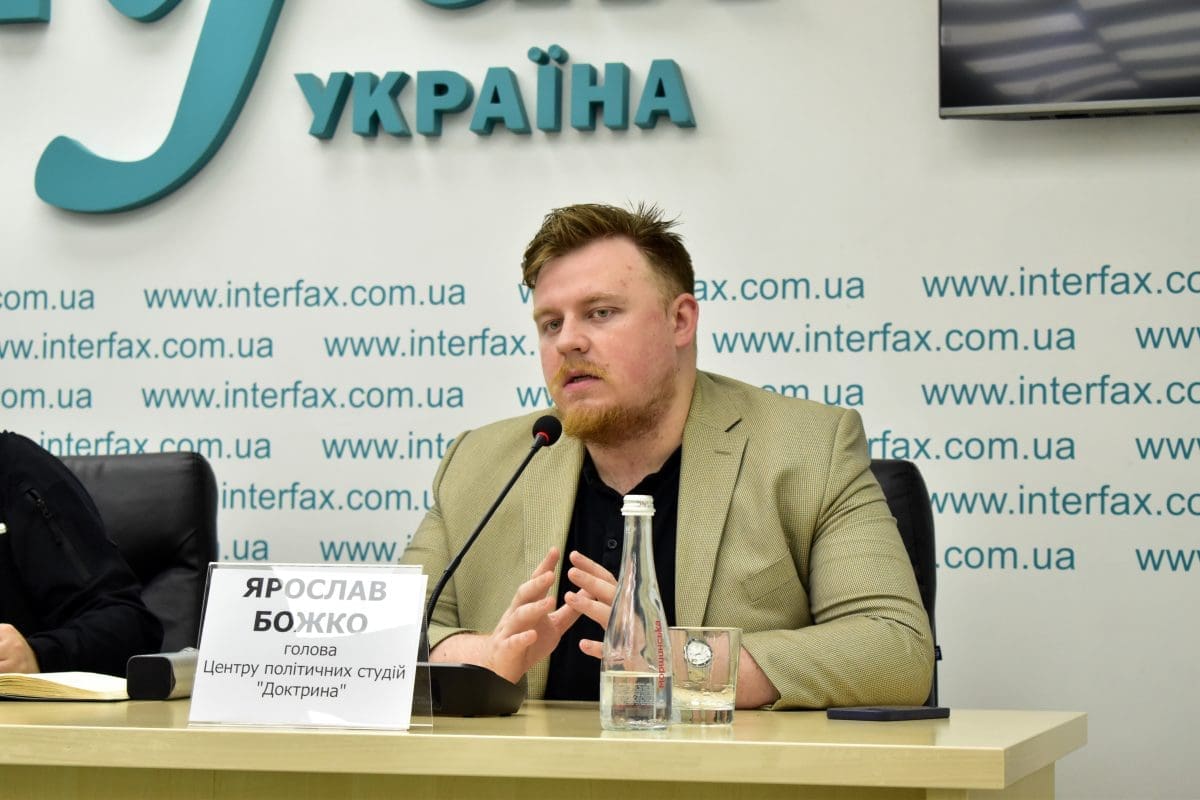
Yaroslav Bozhko: “Нnarrative can also shoot”

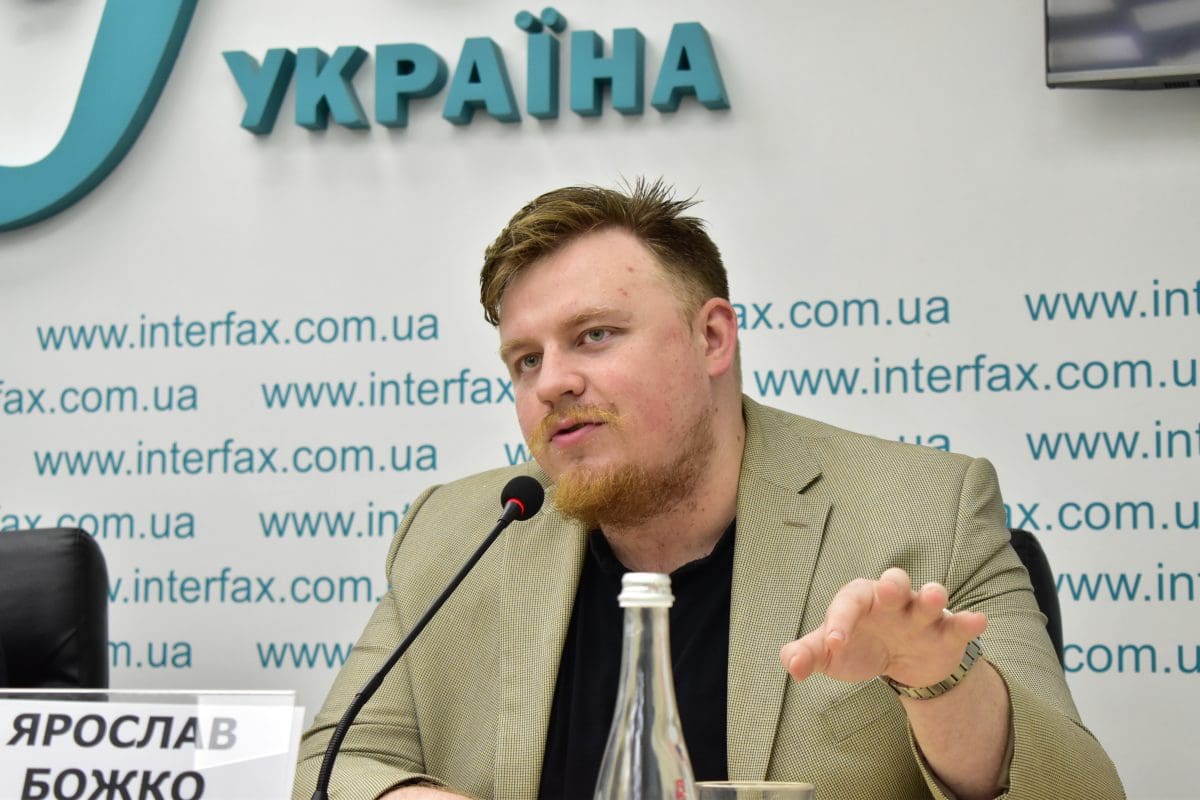
Political scientist Yaroslav Bozhko raises the question: what image of Ukraine do we construct for ourselves, and are we not stuck in the role of “eternal victim”? His thesis is simple: history is politics, a tool of influence and mobilization, not an “academic supplement” to reality. “History has been, is, and will be one of the most politicized sciences.”.

Hence the fundamental framework about the nature of the nation: “A nation is a narrative, that is, a nation is a story, a nation is a narrative.”.

Bozhko analyzes our usual optics, which stems from Hrushevsky’s nationalist school: society is brought up in the logic of “betrayal of the elites” and endless suffering, which demobilizes, destroys trust in institutions, and blocks strategic thinking.

“The Ukrainian statehood school of historiography…has not taken root in modern Ukraine, while the optics initiated by Hrushevsky…remains dominant. This is a social history: first we were trampled by Polovtsians, then Poles, then our own, then Muscovites… This does not look like a history that forms a geopolitical vision.”.

At the same time, Russia is rewriting the “dictionary” of the past to oust Ukraine from the sources of statehood and legitimize its imperial view. “One of the main changes is the replacement of the term “Kievan Rus” with “Ancient Russian State” in Russian history textbooks”.

At the same time, Russia itself is facing a crisis of “common glue.” “Putin and his entourage are trying to test different models of national ideology… but neither Orthodoxy nor Eurasianism have gained a final status.”.

The story of the “eternal victim” cannot be the foundation of either identity or politics. What is needed is a state narrative in which Ukraine is an actor, building interests, alliances, and responsibilities. “History reduced to ‘we were all oppressed’ cannot be the subject of a qualitative understanding of foreign policy… We need a narrative with strategic significance.”.

Bozhko’s position is to move beyond trauma therapy to a strategy of subjectivity: to talk about ourselves as a state that acts, not just experiences; and to do so in a language that the world can hear, from textbooks to Netflix.

Oleksandr Antoniuk: “We must speak the language of the generation that will live after the war”

Military man and political strategist Oleksandr Antoniuk turns the conversation into a practical plane: how to make history heard by young people. If we do not enter the mass culture, the enemy will. “In 2023-2025 in the the Russian Federation history textbooks are being updated by Medinsky, where the invasion of Ukraine is described as a defense against the New Nazis and puppets of the West.”.

Antoniuk emphasizes that this mythologization of textbooks does not exist in a vacuum; it is complemented by the forced “re-education” and abduction of Ukrainian children, as well as large-scale social media activity:

“The Kremlin has been planting this seed of hatred for Ukrainians for generations. A separate area is social media, in particular TikTok. The Russian Federation is present there, actively promoting propaganda: footage taken out of context, “historical lectures,” fakes, entertainment content.”.

Therefore, it is dangerous to leave history in the format of “boring textbooks.” It should be made lively, emotional, and adapted to the habits of content consumption. There are positive examples that are already working for Ukraine: “We need to have appropriate media directions… We can take the movie 20 Days in Mariupol as a basis – this is a step that shapes the perceptions of millions of audiences around the world.”.

The key is to scale our voice with simple and powerful formats: short videos, animation, music, games, comics, localization into other languages (with the help of AI, if necessary). Historical politics should become a daily communication, not a one-time event for specific dates:

“A mass product needs simplicity and an emotional component… We need to pay attention to the creative industries and use it as a tool. Comics, TikTok, music trends… This allows us to break through… and shape the world’s knowledge of Ukraine. Let’s not forget about gaming projects – we have to integrate Ukrainian stories into global gaming.”.

Antoniuk also adds an institutional dimension: we need systematic mechanisms for monitoring and verifying hostile narratives, opening archives, digitizing documents, and supporting English-language resources and partnerships. “Countering information aggression is our own voice. Opening archives, digitizing documents about the crimes of the USSR is what should be the default”.

His conclusion is simple and tough: history is also a front, and we must be no less convincing on it than on the battlefield.


Yuriy Honcharenko: “Children’s consciousness is the last line we have no right to give away”

In his closing remarks, Yuriy Goncharenko returns the focus to the most vulnerable – children. It is not only about abductions, but also about the systemic “rewiring” of consciousness in the occupied territories and in Russia itself.

“We are almost completing a study on what Russia is doing with the Ukrainian children it has abducted… the element of historical mindset change is a very important element of indoctrination. This is a seamless education: from kindergarten onwards, if you want to be successful and live a good life, you have to believe in these narratives, give up your own identity and become a “typical Russian citizen.” They are conducting an experiment in Buryatia… they plan to extend it to the whole of Russia and the occupied Ukrainian territories.”.

Goncharenko emphasizes that we are talking about total digital control and years of indoctrination from kindergarten to retirement. Therefore, Ukraine’s response should be not only about weapons at the front, but also about the weapon of truth in schools, culture, and media.

“If we don’t work with this, we allow the enemy to militarize children’s minds. Tanks do not work against this. Truth, education and a strong historical policy work.”.

September 18, 2025
FacebookTwitterLinkedinWhatsappTelegramViberEmail
History

Vyacheslav Lypynsky – ideologist of Ukrainian conservatism and theorist of classocracy

від Майданюк Валерій September 12, 2025

Vyacheslav Lypynsky, a prominent Ukrainian thinker, historian, sociologist, diplomat, philosopher, publicist, and politician, holds a special place in the history of Ukrainian social and political thought. He became one of the leading theorists of Ukrainian conservatism and the founder of the statehood school of national historiography.

Lypynskyi was born in 1882 in Volyn, Ukraine, to a Polish landowning nobleman. He was educated at the First Classical Gymnasium in Kyiv, and later studied at the Jagiellonian University in Krakow, where he majored in agronomy, history, and philosophy. He continued his studies at the Geneva Graduate School of Political Science.

His name is associated with the development of the conservative-monarchist trend in Ukrainian political thought, which was especially widespread in the interwar period among Ukrainian emigrants in Western Ukraine, Europe, Canada, the United States, and Latin America.

In 1917, Lypynsky became one of the founders and ideologues of the Ukrainian Democratic-Agricultural Party (UDHP). During the reign of Pavlo Skoropadskyi, his political concept gained wide support among Ukrainian conservative circles. In 1918, he was appointed ambassador of the Ukrainian state to Austria-Hungary, but after the fall of the Hetmanate and the restoration of the UPR, he refused to cooperate with the social democratic leadership and left the diplomatic service.

In the following years, Lypynsky worked actively in exile. Together with his associates, he founded the Ukrainian Union of Farmers-Statesmen (USKhD) in Vienna, which aimed to restore the Hetmanate and build an independent Ukrainian state. His scientific work was aimed at developing a conservative ideology based on the idea of a monarchical system.

The scholar paid special attention to legitimizing the Skoropadsky dynasty as contenders for the Ukrainian throne and justifying their policy in 1918. However, in 1930, as a result of a conflict with the hetman, Lypynsky dissolved the Ukrainian Universalist Congress and, together with Viacheslav Kuchabsky and other like-minded people, founded the Brotherhood of Ukrainian Classical Monarchists. He died in 1931 in Austria.

Intellectual influences and scientific research

Lypynsky’s worldview was shaped by the leading European social theories of the nineteenth and early twentieth centuries. He was largely influenced by the ideas of Georg Hegel, Ludwig Humplowitz, Gustav Le Bon, Gustav Ratzenhofer, Friedrich Ratzel, Franz Oppenheimer, and Polish conservative historians whom he met while studying in Krakow, one of the centers of European conservatism.

The ideas of Mykola Mikhnovsky, a theorist of Ukrainian nationalism, played an important role in shaping Lypynsky’s national consciousness. This influence was reflected in his independent stance and the founding of the stateist school of Ukrainian historiography, which still dominates the field. He also studied the elite theories of Gaetano Mosca, Wilfredo Pareto, and Robert Michels, which influenced his concept of classocracy and his idea of a national aristocracy.

Researchers emphasize that his writings combine features of positivism, neo-romantic irrationalism, vitalism, elements of social mechanics by Emile Durkheim, rationalism by Max Weber, and the ideas of French sociologist Georges Sorel. It was from Sorel that Lypynsky borrowed ideas about the role of social myths, intellectuals, and democracy. His intellectual search was not only academic but also synthetic, combining scientific, cultural, political, and ideological dimensions.

Farmers’ ideology and classocracy

Among Lypynsky’s key ideas was the justification of the special role of the Ukrainian peasantry as the nation’s nucleus. He believed that the future state should be built on the farming class, because the agrarian ideology was organic and close to the Ukrainian people, who had lived in agricultural culture for centuries. This ideology, in his opinion, could ensure the stability of economic development and the preservation of national identity.

The central concept of his political theory was “classocracy,” a form of government that provided for a balance between power and freedom. The state was to be headed by a hereditary monarch, the hetman. Lypynsky contrasted classocracy with democracy and ochlocracy, believing that only it could guarantee freedom and order. He did not deny either personal or political freedoms, but believed that they should exist within a stable government.

Classocracy envisaged the division of society into productive classes, among which a special place belonged to farmers. The leading role in the state was to be played by the “national aristocracy”-an elite based not on hereditary privileges but on moral authority, loyalty to national and religious values, and the ability to organize society. As an example of classocracy, Lipinski often cited England, where, in his opinion, this system was most fully manifested.

Significance for Ukrainian political thought

Vyacheslav Lypynsky’s political concept was distinguished by its originality, intellectual depth, and innovation. He developed a model of government that combined monarchical power with the preservation of civil liberties, national culture, and the moral foundations of society. His doctrine became one of the cornerstones of Ukrainian conservatism and had a significant impact on social and political thought both in Ukraine and in the emigration community.

Author: Valeriy Maydanyuk

September 12, 2025
FacebookTwitterLinkedinWhatsappTelegramViberEmail
Translation.

BORIS JOHNSON: This is the most nauseating episode in the entire shameful history of international diplomacy – but it may have taught Trump one vital lesson…

від Юрій Гончаренко August 17, 2025

Translation of an op-ed by Boris Johnson, Prime Minister of the United Kingdom (2019-2022), for the Daily Mail, by the Conservative Platform.

Well, it was perhaps the most nauseating episode in the entire shameful history of international diplomacy. It was nauseating to see Putin being welcomed on American soil.

I was sick to my stomach from applauding him on the red carpet.

It was disgusting to see his Gollum-like smile when he became one of the few world leaders who, as I recall, was invited to ride in the back of the presidential limousine.

It was frankly sickening to hear how he was given an American platform for his lies about the reasons for the war in Ukraine, a country that in 2014, when he first attacked it, posed no threat to Russia.

Listening to the sweet and nauseatingly predictable manner in which he tried to both flatter and discreetly humiliate Donald Trump, I was sickened. I’m sure you were too-and most of us aren’t even Ukrainians.

Imagine being one of those beleaguered heroes in a dugout near Pokrovsk, fighting for the freedom of your country, and hearing the President of the United States – ex officio captain of the Free World team – call Vladimir Putin “boss.”

Nausea.

Think of the tens of thousands of Ukrainian widows and orphans. Think of the maimed and mangled; think of the Ukrainian civilians who live in fear of Putin’s bombs and missiles every day and every night – which continue to fall even as the so-called talks were taking place in Alaska.

Ask yourself how they felt when the President of the United States, in a sense the world’s highest guarantor of freedom and democracy, talks about the “fantastic relationship” he has with Putin, the dictator who has been torturing their country for three and a half years.

It was a disgusting moment, because Putin is a war criminal whose constant lies, twisting and aggression are directly comparable to Hitler’s actions.

Sometimes one hears that the White House’s goal is to “stop the deaths” or “stop the killings” in Ukraine, as if the blame lies on both sides. What nonsense.

The blood of every Russian who died in this conflict is on Putin’s hands. The blood of every Ukrainian who has died is on Putin’s hands.

All the carnage and tragedy in Ukraine is the fault of one man, because right now there would be no war, no bloodshed, no catastrophe, if it were not for the ongoing arrogance, stupidity, and fundamental miscalculation of Vladimir Vladimirovich Putin.

That’s why it was so hard to swallow the spectacle of Putin swaggering around at the Alaska summit. That is why this event seemed so unacceptable.

And yet, like many of the most unacceptable steps in historical diplomacy, this meeting was certainly justified and even necessary.

Despite all the vomit, Trump was right to try. He was right to meet with Putin, because while millions of Ukrainians looked at the red carpet for the Russian tyrant with horror, they also looked with hope.

They hoped that maybe, just maybe, this legendary New York dealmaker could work out a solution that would end the war – but preserve what they wanted and needed, namely their country’s freedom, sovereignty, and independence.

Donald Trump was and is right to take the risk, because he knows that one day Putin will make a deal. His position in Moscow is much weaker than it seems.

The Russian economy is beginning to creak under the burden of war. Unemployment is rising, as are inflation and interest rates.

Putin has seen one of Russia’s largest oil customers, India, suddenly and unexpectedly affected by Trump’s secondary sanctions; Bloomberg reports signs that Indian hydrocarbon buyers are already moving away from Russia.

Most importantly, Putin is still unable and will not be able to break the spirit of the Ukrainian resistance. Yes, it is very difficult for Ukrainian soldiers now, and yes, with titanic efforts and at great expense, Putin has managed to achieve some small successes in the east, theatrically timed to coincide with the Alaska summit.

But these advances have again been held back by the Ukrainians, and as of mid-August, the much-hyped major Russian summer offensive of 2025 has yet to take place, let alone succeed.

Trump was 100% right to sense a chance for peace, and he is right to want to achieve it. He is one of those who – along with Benjamin Franklin – believe that there has never been a good war or a bad peace, and he is right about that, too.

But it was clear to observers of the summit-and I think to the American negotiators in the room themselves-that Putin did not want peace, at least not on terms that the United States or Ukraine could accept.

Anyone who has worked with Trump and knows his moods could tell that this meeting was not a success. The announced lunch did not take place.

There were none of the promised discussions of some mouth-watering new US-Russian trade cooperation or Arctic cooperation. Instead, the summit ended abruptly and several hours early with a completely empty press conference, where Trump – unusually – did not answer questions from journalists.

The meeting was valuable in only one sense: in Alaska, Trump came face to face with reality.

Putin essentially wants to control Ukraine and make it a vassal state of Moscow again.

Ukrainians fundamentally want to be free, and in this endeavor they have the long-term support of other Western democracies and, importantly, of Trump himself, as well as Melania Trump, the First Lady, who is increasingly influencing her husband’s views.

Trump the realtor realized that it’s not about real estate. It’s not about geography or territory. It’s about destiny.
It is about the right of Ukrainians to choose their own destiny as a free and independent European nation. This means that the war will not end until Putin accepts the truth: he has lost the battle for Ukraine’s destiny.

Only when this happens-when Putin accepts the spiritual truth that is obvious to anyone who has been to Ukraine-will we have peace.

Frankly speaking, I doubt that Donald Trump will like today’s global headlines. I don’t think he likes the idea that Putin has outplayed him, that Trump has rolled out the red carpet for an outcast – he has spent a lot of political capital – and received nothing in return.

Failure in Alaska will only strengthen, in my opinion, his growing conviction that the only way to resolve this is to increase pressure on Putin now.

No one really expected the US president to go further and impose secondary sanctions on countries that continue to buy Russian oil and gas, but he did.

What about Britain? What about Europe? When will we find the courage to do the same? This is our continent. We keep demanding leadership from America – and when it comes, we don’t even have the courage to follow.

Someday this war will end in a peace that protects Ukrainian freedom; but as Trump said in Alaska, Europeans – led by Britain – will have to step up.

August 17, 2025
FacebookTwitterLinkedinWhatsappTelegramViberEmail
Position.

Taras Stetskiv: “Draft law 13533 should be considered and adopted without delay”

від Юрій Гончаренко July 29, 2025

Members of the Verkhovna Rada of Ukraine should immediately consider and adopt the draft law No. 13533 submitted by the President of Ukraine, which should restore the independence of the NABU and the SAPO. This was stated by Ukrainian politician, public figure and former MP Taras Stetskiv on his Facebook page.

According to the politician, in this way MPs will be able to demonstrate high responsibility for their actions to the state and Ukrainian society. Stetskiv emphasized that the issue of restoring the independence of anti-corruption bodies is of critical importance today. In view of this, the July 31 meeting of the Verkhovna Rada should be attended by all MPs, regardless of their factional affiliation or political position. At the same time, there can be no excuses for MPs who refuse to participate in the meeting and vote.

“Refusal to participate in the meeting and vote will be interpreted by society as a betrayal of their voters, bordering on high treason. After all, the vast majority of MPs, when entering politics, declared their intention to fight uncompromisingly against corruption in the highest echelons of power ” Stetskiv emphasized.

He also noted that the refusal to restore the independence of NABU and SAPO jeopardizes Ukraine’s reputation in the eyes of our Western partners, international assistance and our European integration aspirations. “To the President’s credit, he quickly realized what the mistake was and quickly offered a way out. And while there will definitely be reputational and rating losses, they will be smaller the sooner this mistake is corrected. However, the solution now depends not only on the President. The final decision is in the hands of the parliament,” the former MP emphasized.

As a reminder, on July 22, the Verkhovna Rada passed draft law No. 12414, which significantly expands the powers of the Prosecutor General regarding the activities of the NABU and the SAPO. The same evening, Volodymyr Zelenskyy signed the law, despite public protests in Kyiv, Kharkiv, Lviv, Odesa, and other cities of Ukraine. On July 24, the President submitted an alternative draft law No. 13533, which aims to restore the independence of the NABU and the SAPO. It is scheduled for consideration by the Verkhovna Rada on July 31.

July 29, 2025
FacebookTwitterLinkedinWhatsappTelegramViberEmail
Important

Budanov has a sober view of geopolitics and leads an effective team – blogger

від Майданюк Валерій July 3, 2025

Judging by his latest interview, Chief of the Main Intelligence Directorate (GUR) Kirill Budanov demonstrates not only deep knowledge of military affairs, but also excellent orientation in geopolitical and strategic issues. This opinion was expressed by public figure and blogger Yevhen Prokopyshyn on his Facebook page, noting that Budanov has grown from a military professional to a strong manager.

Prokopyshyn advises to carefully watch the full interview with Budanov, paying particular attention to his statements on geopolitical and strategic aspects. “He is already well versed not only in military issues. Moreover, he looks at all processes in the world without illusions – a very sober view, which many of our leaders lack,” the blogger emphasized. In his opinion, this success is largely the result of the work and merit of the excellent DIU team, which Budanov actually created from scratch.

The blogger cited several vivid examples of the successful work of the DIU under Budanov’s leadership:

  • The release of captured Ukrainian women from Syrian camps: a unique five-year “multi-move” that led to the liberation of all Ukrainian citizens.
  • Operations against Wagner’s PMCs in Africa.
  • Destruction of Russian ships, airplanes and helicopters.
  • Successful operations in Crimea and at sea.

As well as many other operations that are not yet known to the general public.

It is worth noting that General Budanov personally participated in some of these operations and was even seriously wounded.

“I am very impressed by his calmness, acceptance of reality and strategic thinking,” Prokopyshyn added. He is convinced that few would argue that Budanov, who started out as a military professional, has developed into a strong manager capable of recruiting and organizing qualified personnel.

According to the blogger, Budanov has “a serious and high-quality team that really works systematically and sometimes achieves even fantastic results.” Prokopyshyn believes this is a rare phenomenon for modern Ukraine, where the degradation of many state structures has become obvious and gone too far.

July 3, 2025
FacebookTwitterLinkedinWhatsappTelegramViberEmail
Events.

Values as the basis of national sustainability discussed in Kyiv: experts presented a new Christian democratic expertise

від Юрій Гончаренко May 31, 2025

KYIV, May 27, 2025 – Leading Ukrainian experts in security, politics and social development held a roundtable discussion “Ways to Strengthen Ukraine’s Social Resilience: Values-Based Expertise” and discussed the country’s critical national resilience issues in times of war.

The event, which lasted an hour at the Interfax-Ukraine news agency, brought together representatives of the security and defense sector, government, civil society, and the expert community. The event was organized by the Conservative Platform (a joint project of the NGO “Foundation for Promotion of Democracy” and the Hanns Seidel Foundation in Ukraine) in partnership with the Ukrainian Security Club.

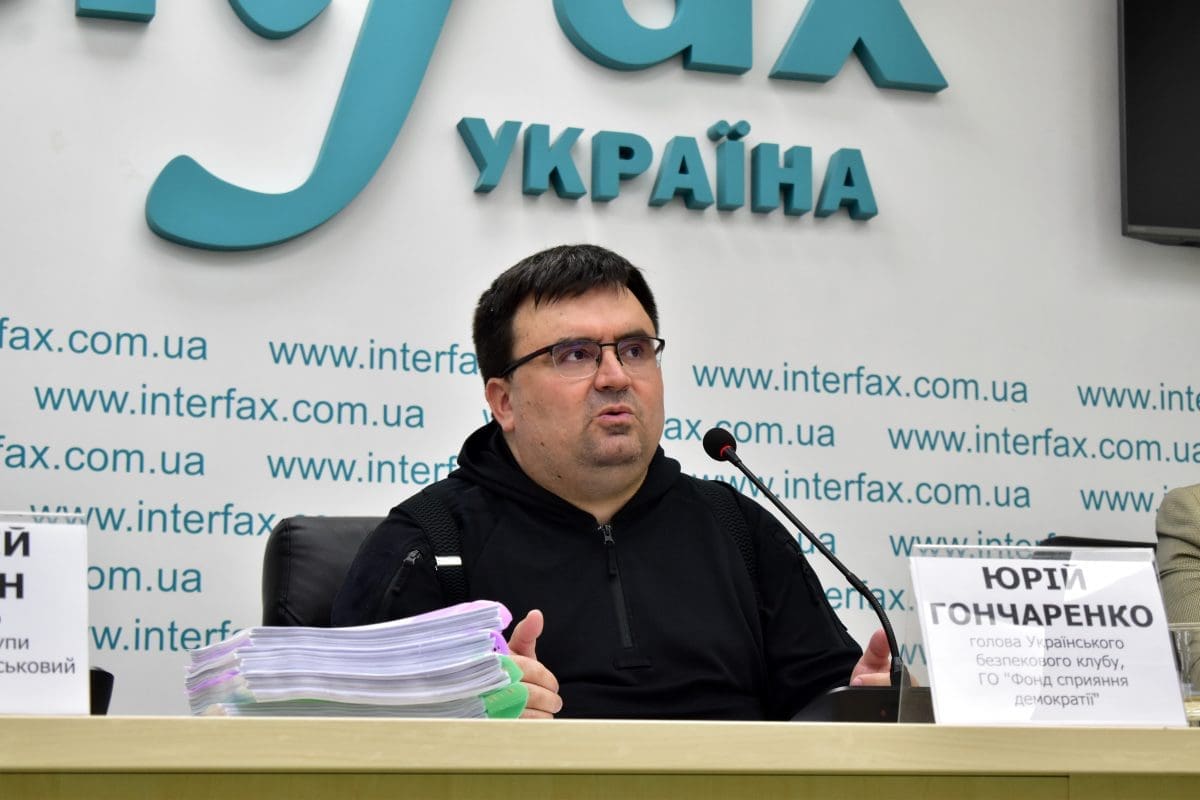
Opening the event, Yuriy Goncharenko, Chairman of the Ukrainian Security Club and the NGO “Foundation for Promotion of Democracy”, outlined the key challenges: “In the context of unprecedented challenges faced by our country, the issue of national resilience is gaining new importance. How to form an effective model of social cohesion? What mechanisms will help Ukraine maintain a balance between security and freedom? These are the questions we will be looking for answers to today.”

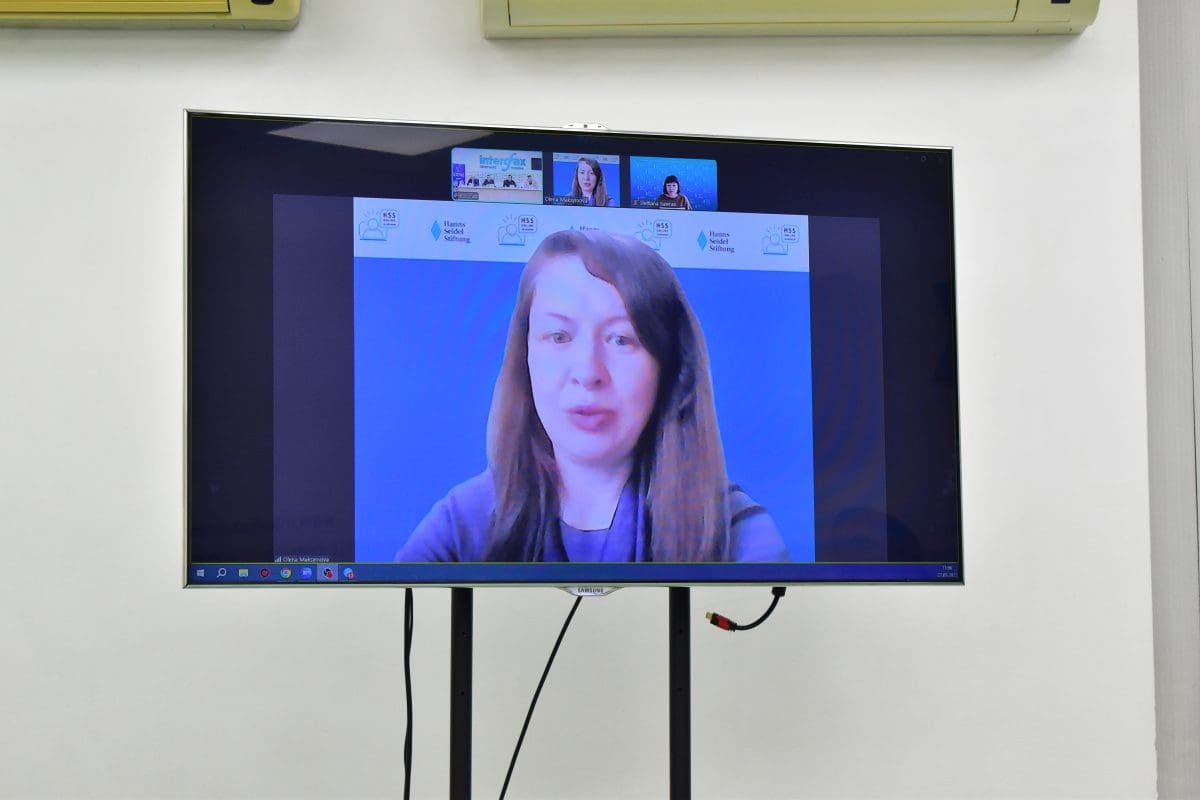
Olena Maksymova, a representative of the Hanns Seidel Foundation in Ukraine, joined the online discussion and noted that Ukrainian and European unity should be conditioned not only by the presence of a common enemy, but first and foremost by common values. “Christian conservative thought should play an important role in this process. It is able to formulate not only ideals but also practical approaches in the field of education, family policy, media, ethics of power, etc. Today, Ukraine needs leaders and managers who are ready not only to lead but to serve and who have power as a vocation, not as a privilege,” Maksymova added.

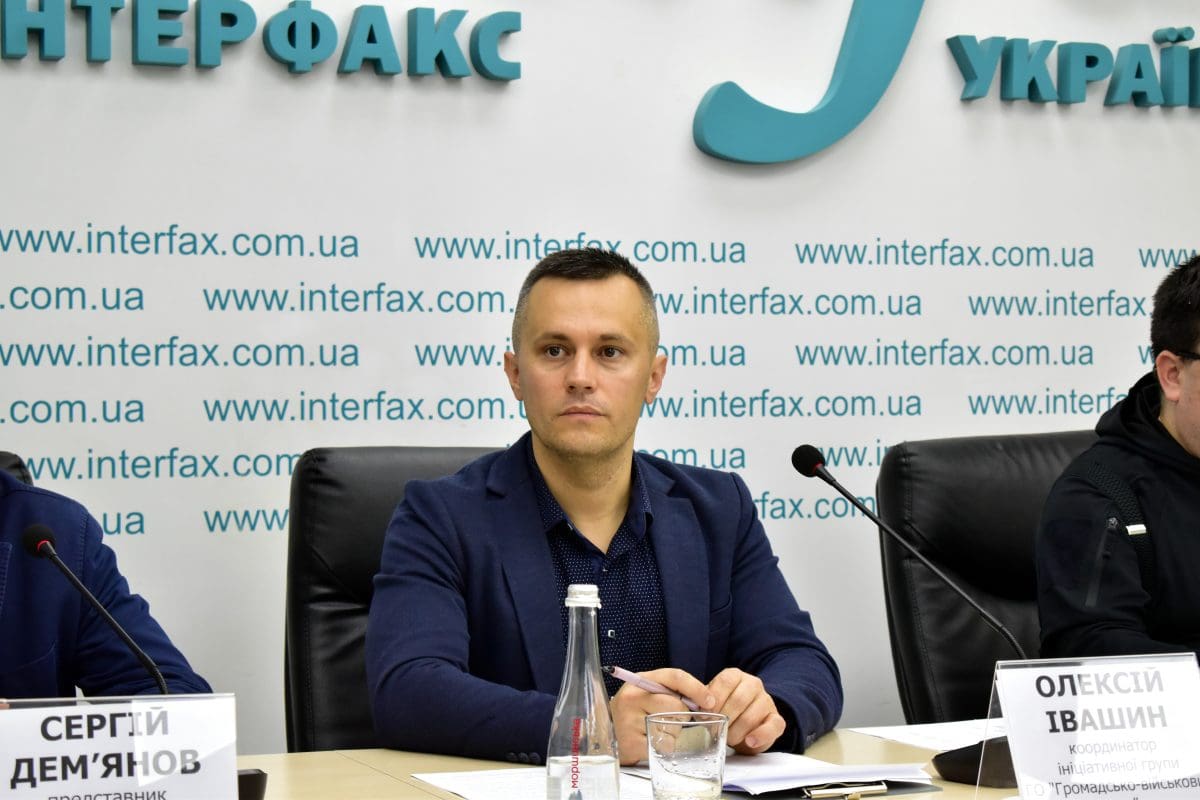
Oleksiy Ivashyn, coordinator of the Civil-Military Movement Initiative Group, emphasized the importance of a systematic approach: “We cannot build national resilience in a fragmented manner. We need a comprehensive strategy that will unite the efforts of the state, society and every citizen.”

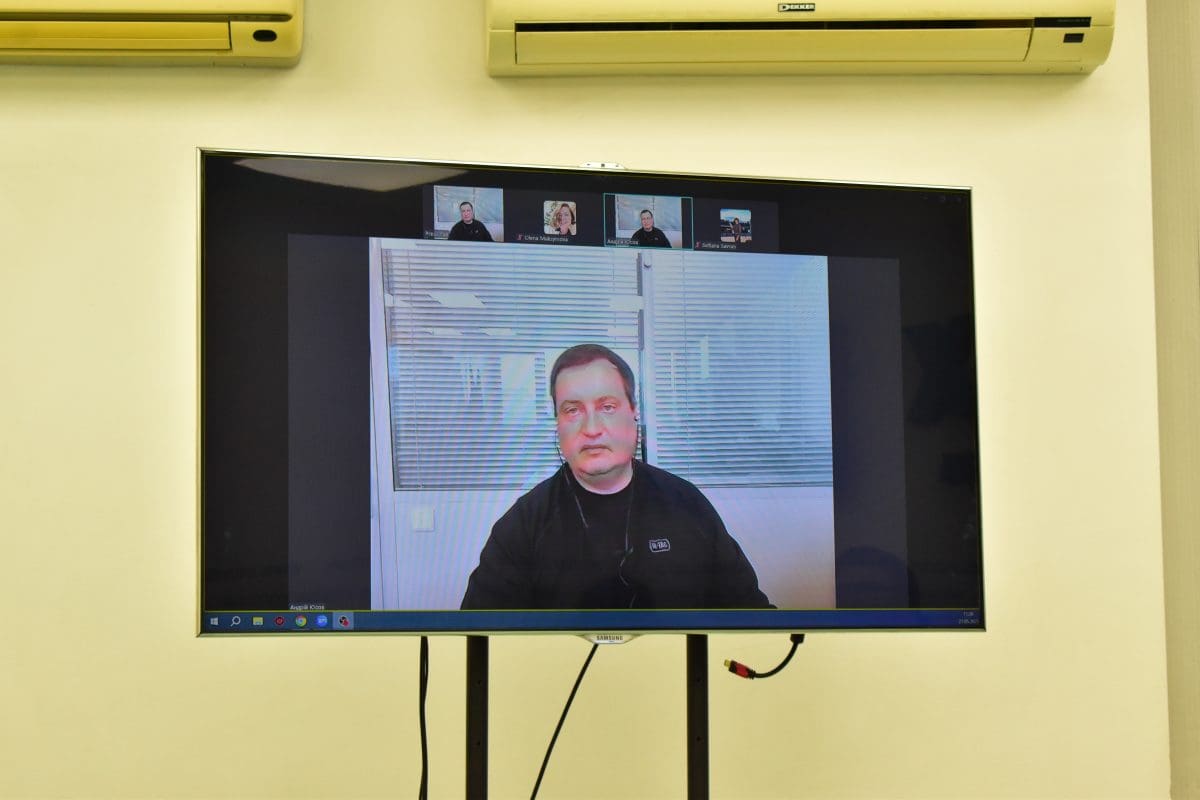
Andriy Yusov, representative of the Coordination Headquarters for the Treatment of Prisoners of War, outlined the key challenges for the state: “Many Ukrainians today are striving for a quick peace – it is quite natural. We all want to return to life without worries, without explosions, without loss of loved ones. But the unpleasant truth is that in the coming years, and possibly decades, there will be no more peaceful life.”

Yusov noted that it is Ukrainian unity that will face further tests and enemy attacks: “One of the components of this is attacks on the Ukrainian military, which they will try to discredit in the eyes of Ukrainian society, in particular, to explain that” not everything is so clear “. Discrediting the military, who enjoy tremendous trust and support in the country, is certainly a component of Putin’s hybrid information war against Ukraine and Ukrainians.” .

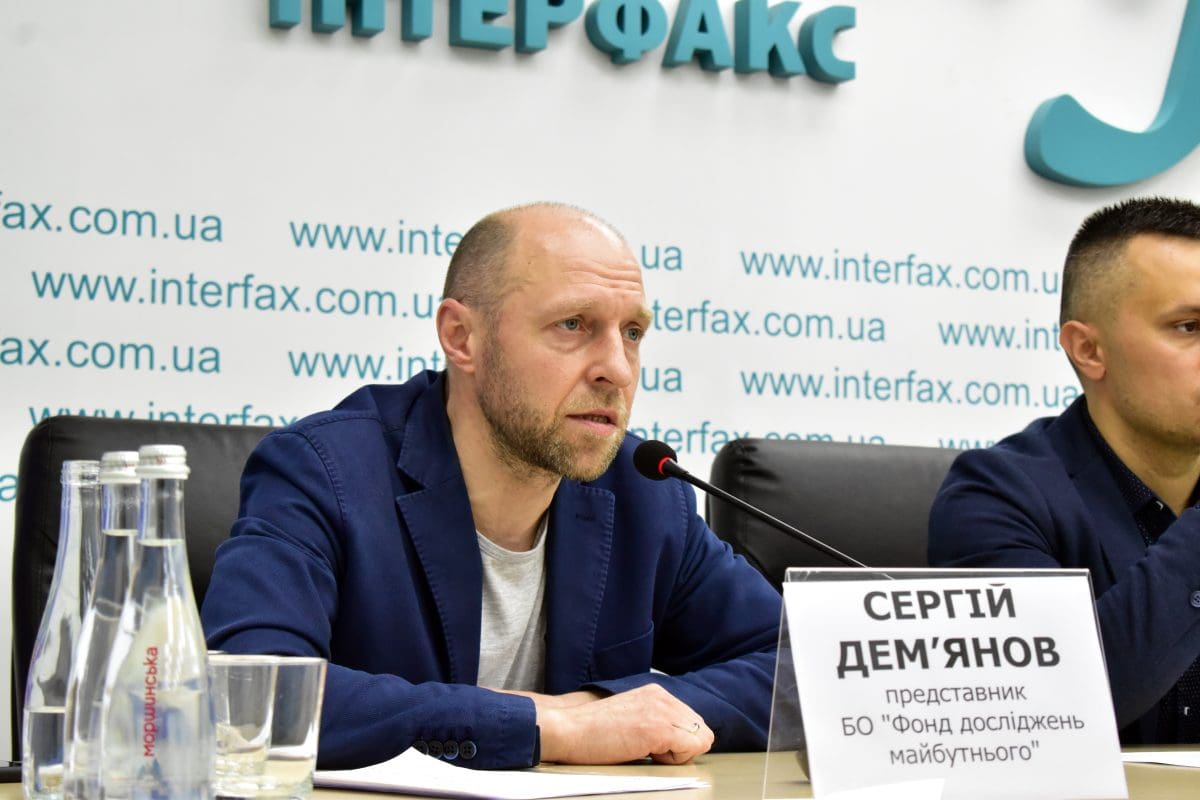
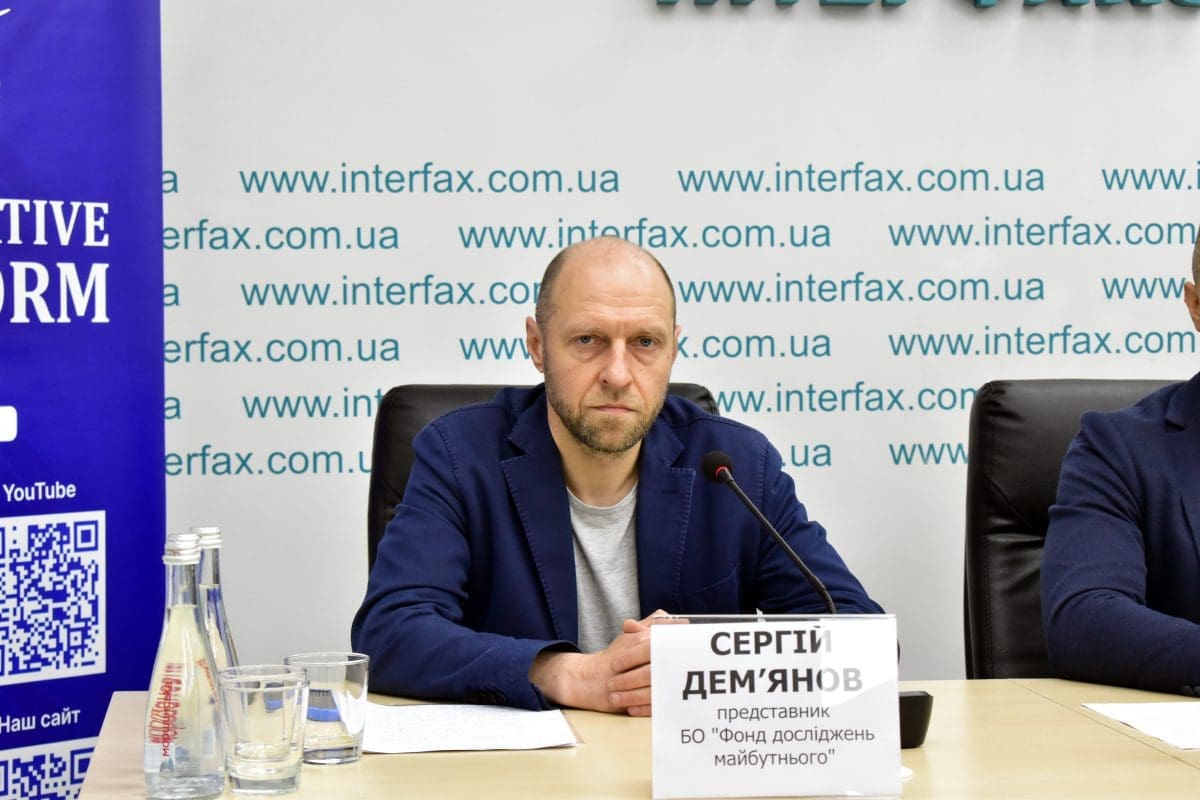
Serhiy Demyanov, representative of the Foundation for Research on the Future, focused on the information component: “Information defense is no less important element of defensive democracy than military defense. Our research shows that a society that cannot protect its information space is doomed to lose the war for minds. Russia is waging not just military aggression against us, but a civilizational war, where disinformation and manipulation are as much a weapon as tanks and missiles.”

Presentation of analytical materials

The centerpiece of the event was the presentation of the analytical notes “Christian Democratic Expertise” by Yuriy Honcharenko. The document covers four key areas – economy, politics, society, and culture – offering a comprehensive approach to addressing national challenges through the prism of values.

“Our research is not just an analysis of the problems, but concrete recommendations on how to build a society where human dignity, solidarity and responsibility become the basis for decision-making,” Honcharenko said. “The Conservative Platform project started in 2016. We are not the kind of conservatives who sprung up like mushrooms after the rain after Trump’s victory. The support of the Hanns Seidel Foundation in 2024 allowed us to find like-minded people and join the Ukrainian Security Club. Today’s study is the result of many years of work on the question: how to build a society that is both strong and humane, secure and free.”

Oleksiy Ivashyn, coordinator of the Initiative Group of the Civil-Military Movement and a veteran of the Russian-Ukrainian war, highlighted the problems of the Ukrainian nation’s resilience in the war, which has become an existential challenge for our society, and called for not just outlining the problems but also for practical models of strengthening resilience through the system of values.

He also emphasized the model of defense democracy, which envisages unconditional preservation of all democratic procedures and standards while strengthening unity between all segments of Ukrainian society – military, veterans and civilians – as a key to Ukraine’s victory and future prosperity.

Ivashyn named comprehensive support for the Ukrainian Defense Forces, increasing public respect for the state’s defenders, the prestige of military service, and the importance of fulfilling civic duties as the central points of defense democracy.

The expert also emphasized the need to educate young people in the spirit of national and patriotic values and readiness to defend Ukraine and noted the importance of assisting veterans and their families in realizing their legal rights and interests.

Ivashyn noted that in order to build a defensive democracy, the Civic-Military Movement is already focusing on military training and first aid for young people, educating Ukrainian citizens about the need to protect the state and be prepared to counter threats, volunteer support, organizing national-patriotic and public events aimed at strengthening national unity, and providing support to veterans and their families (advocacy, legal assistance, and information support).

He also noted that one of the answers to these challenges is a rotational model of military service, which can be a fair and even burden of the war on the whole society in order to restore the strength of Ukrainian defenders.

Expert discussion

Andriy Yusov, representative of the Coordination Headquarters for the Treatment of Prisoners of War, emphasized that: “Only when the aggressor knows that the response to his aggression will be harsh and ruthless will he not attack. Only when the entire free world continues to see our determination to resist evil will it lend a shoulder.

Ukraine is doomed to build a powerful security system, to make defense and protection of the country a top priority not only for the state but for the entire society. One of the elements of this is the principle “Either in the Defense Forces or for the Defense Forces”. This is not militarization, it is realism – the realization that our freedom requires constant readiness to defend it.”

Yaroslav Bozhko of the Center for Political Studies “Doktryna” emphasized the importance of the value dimension of politics and public activity, as well as security as one of the basic values: “Security is beginning to play an important role as one of the fundamental values, along with freedom and material comfort. And we can say that to some extent, only war brings us to the point where at some moments it may turn out to be the most fundamental value, because people sacrifice both freedom and material comfort for it.”

Serhiy Demyanov, representative of the Foundation for Research on the Future, emphasized the importance of social cohesion: “Our research shows an alarming trend – the level of social cohesion is declining. This is a natural process for a prolonged war, but we must actively counteract it through specific programs and initiatives.”

During the discussion, the participants discussed four key issues in detail:

  • Strengthening social cohesion in the context of a prolonged war. Experts agreed that the emotional mobilization of 2022 needs to be transformed into a more sustainable, institutionally supported solidarity.
  • The balance of security and freedom. The discussion showed the need to find a Ukrainian model that would ensure national security without losing democratic values.
  • Responsible policy as a response to challenges. Participants emphasized the importance of moving from populism to a policy based on values and a long-term vision.
  • Practical steps to building a network of responsible politicians. Specific mechanisms for the formation of a new political culture in Ukraine are discussed.

In closing the event, Yuriy Goncharenko summarized the results of the discussion: “Today’s conversation has shown that the Ukrainian expert community understands the challenges and is ready to look for solutions. We cannot afford the luxury of waiting for better times to implement value-based policies. The war is not a reason to postpone reforms, but an incentive to make them deeper and more systemic.”

The organizers reported that the materials of theChristian Democratic Expertise study have been published for wide discussion, and the Conservative Platform plans to continue a series of expert discussions on the formation of a value-based policy for Ukraine.

The event is streamed on Interfax-Ukraine ‘s YouTube channel for those who could not attend in person but are interested in discussing ways to strengthen Ukraine’s social resilience.

Analytical notes “Christian Democratic Expertise” are published on the website of the Conservative Platform and are available for download:

https://conservative.org.ua/2025/05/27/analitychni-zapysky-khrystyiansko-demokratychna-ekspertyza

May 31, 2025
FacebookTwitterLinkedinWhatsappTelegramViberEmail
Analytics

Culture as a weapon: how Ukraine is waging a war for souls and meanings

від Юрій Гончаренко May 30, 2025

In the context of Russian aggression, cultural policy ceases to be a “soft topic” and becomes a matter of national survival. A new study offers a revolutionary approach: from defense to offense, from survival to victory

When museums become fortresses

In the basement of the National Museum of History of Ukraine, there are not only exhibits, but also the soul of the nation. When Russian missiles are flying at Kyiv, the museum staff is not just saving artifacts, they are protecting the code that Ukraine has lived by for centuries. This painting became a symbol of a new reality: culture is no longer a luxury for peacetime, but a battlefield for the future.

“Russia is waging not just military aggression against us, but a civilizational war,” say experts who presented a large-scale study of Ukraine’s cultural policy. And in this war, every book, every Ukrainian song, every lesson at school become acts of resistance.

From “little brother” to equal player

For centuries, Ukrainian culture developed according to the laws of survival. It hid in villages from imperial persecution, mimicked “regional specificity,” and was afraid to speak out. Even after gaining independence, this “little brother” complex did not disappear; it just changed forms.

Today, researchers propose a radically different approach. Instead of a defensive stance, they propose an offensive one. Instead of making excuses for their “provincialism,” they are proud of their uniqueness. Instead of copying other people’s models, they are creating their own.

“We have to move from a culture of survival to a culture of victory,” the authors of the study explain. And these are not just beautiful words. Behind them is a specific strategy for making Ukrainian culture not only self-sufficient but also attractive to the world.

Language as a territory of freedom

In a Kyiv coffee shop, a young mother is reading a Ukrainian book to her child. A programmer sits next to her listening to a Ukrainian podcast about artificial intelligence. At the next table, students are discussing philosophical issues in Ukrainian. These everyday scenes are the result of a quiet revolution taking place in the Ukrainian language.

Researchers call this a “positive affirmation” strategy. Instead of coercion, we create attractive content. Instead of prohibitions, it’s quality competition. The result is impressive: people switch to Ukrainian not because they have to, but because it is more interesting.

This is especially evident in the digital space. Ukrainian YouTubers get millions of views, Ukrainian podcasts hit the tops, and half the world watches Ukrainian TV series. A language that was considered “unprestigious” until recently has suddenly become fashionable.

“The best way to protect a language is not to force people to speak it, but to make them want to speak it,” researchers say. And life confirms this thesis every day.

School of the future: not only knowledge, but also character

In one of Lviv’s schools, a history lesson takes place not in the classroom, but at a monument to the victims of repression. Children do not just learn the dates; they understand what their ancestors fought for. In another school in the Kharkiv region, students are creating a documentary about their community. A third school in Uzhhorod is organizing an exchange with Polish peers.

These are not individual initiatives of enthusiasts – they are part of a new educational philosophy. Schools should educate not only specialists but also personalities. People who can think critically, act responsibly, and live with dignity.

Special attention is paid to media literacy. In the era of fakes and propaganda, the ability to distinguish truth from manipulation is becoming a survival skill. “Those who control information control the mind,” teachers remind us. Therefore, teaching critical thinking is becoming as important a discipline as math or literature.

When art heals souls

In a rehabilitation center for veterans, a wounded fighter paints a self-portrait. The canvas shows not pain, but hope. Psychologists say that art does what medications cannot do – it restores a person’s faith in himself.

Art therapy became a mass phenomenon in wartime. Children in shelters paint their fears and conquer them. Internally displaced persons create installations about their lost home and find a new one. Veterans write poems in which the war turns into an experience rather than a trauma.

“Art has a unique ability to transform pain into beauty, chaos into meaning, despair into hope,” art therapists say. And this is not a metaphor. It is a medically proven fact: creativity really does heal.

At the same time, Ukrainian art is becoming more and more recognized in the world. Ukrainian artists are exhibiting in leading galleries, directors are winning prestigious awards, and musicians are conquering international stages. Culture is becoming Ukraine’s soft power, a means of influence that is sometimes more effective than diplomacy.

Digital revolution in the Ukrainian way

In Kyiv’s IT hub, a programmer creates an app for learning Ukrainian. An Odesa startup is developing a platform for Ukrainian writers. A Lviv studio is making an animation about Ukrainian history for children around the world.

The digital revolution is fundamentally changing the rules of the game in culture. Now you don’t need big budgets or government support to reach millions of people. It is enough to have talent, an idea and access to the Internet.

Ukrainian creators have realized this perfectly. They create content that competes with Hollywood blockbusters for viewers’ attention. Ukraine’s Kvartal 95 became a global phenomenon long before its founder became president. Ukrainian game developers create games that are played by millions of people around the world.

“Digital technologies are a chance for small cultures to become great,” experts say. And Ukraine is actively using this chance.

Memory without revenge

There is a monument to the Heroes of the Heavenly Hundred on the Maidan. People bring flowers not only on anniversaries, but also just because they want to remember what they fought for and what they are still fighting for. It is a living memory that does not drive one into depression but inspires action.

Working with historical memory is one of the most difficult tasks of cultural policy. How do we remember tragedies without cultivating hatred? How do we respect victims without becoming victims? How to build the future without forgetting the past?

Researchers propose the principle of “truth without revanchism.” To tell the truth about history, but not to use it as a weapon against the present. Remember the crimes, but do not shift the responsibility to descendants. To honor heroes, but not to idealize them to the point of caricature.

A special task awaits the de-occupied territories. There, we will have to not only restore destroyed buildings, but also heal crippled souls. We have to give people back their right to their own history, language and identity. It will be a long and difficult process, but without it, a real victory is impossible.

Churches as cultural centers

In a small Volyn village, the local church has become not only a place of prayer but also a cultural center. It organizes concerts, exhibitions, and lectures. The priest writes a blog about the history of the village, and the youth have created a choir that sings not only church songs but also folk songs.

This is not a unique case. Throughout Ukraine, religious communities are becoming points of crystallization of cultural life. Especially in places where there are no state cultural institutions or they work poorly.

Researchers consider this a positive phenomenon. Churches have something that state institutions often lack: people’s trust, volunteer resources, and the ability to unite the community. The main thing is that these activities are open to everyone, regardless of religion.

“Culture unites people beyond confessional differences,” experts say. And it is true: Orthodox, Catholics, Protestants, and even non-believers come together at a Ukrainian music concert or an exhibition of local artists.

The economy of creativity

Another gallery opens in Kyiv’s art quarter. A design studio, a recording studio, and an animation school are operating nearby. This is not just a cultural space, it is an economic cluster that creates jobs and generates income.

Creative industries have become one of the fastest growing sectors of the Ukrainian economy. Even during the war, Ukrainian game developers, animators, and designers continue to work and earn foreign currency for the country.

“Culture is not an expense, it is an investment,” economists say. Every hryvnia invested in culture is returned in the form of taxes, jobs, and tourist income. And also in the form of something that cannot be measured by money: national pride, global recognition, and soft power.

Cultural tourism is considered a particularly promising area. When the war is over, millions of people will want to see the country that so heroically resisted the aggressor. And it is important that they see not only the ruins, but also a vibrant, creative, original culture.

Challenges of globalization

At one Ukrainian university, students watch a Korean TV series with Ukrainian subtitles, listen to African music, and read Japanese manga. Globalization is making the world more and more homogeneous. Is there any place for national cultures in this?

Researchers are sure that there is, but only for those who can find their uniqueness. “The world is tired of monotony. It is looking for authenticity,” they say. And they cite the example of the Korean wave: how a small Asian country conquered the world with its pop culture precisely because it remained itself.

Ukraine is well positioned to repeat this success. It has something that many others do not: a dramatic history, a rich cultural heritage, young talent and, most importantly, the experience of fighting for freedom that resonates with millions of people around the world.

“Our tragedy can become our strength if we manage to tell it properly,” say cultural experts. And this process has already begun: Ukrainian films about the war are selling out at international film festivals, Ukrainian literature is being translated into dozens of languages, and Ukrainian music is being performed on world stages.

The road to victory

Ukraine’s cultural victory is already happening. It is in every Ukrainian word spoken in public. In every Ukrainian song that is heard on the air. In every child who learns Shevchenko’s poem. In every museum that works despite the shelling. In every artist who paints beauty in spite of horror.

But this victory requires systemic support. Not bureaucratic management, but reasonable assistance. Not dictates from above, but support from below. Not copying other people’s models, but developing our own.

“Culture is not a sector of the economy, it is a way of life for the people,” the researchers conclude. And what this way of life will be like depends not only on what Ukraine will be like after the victory, but also on whether it will be a victory at all.

Because a real victory is not just the liberation of territory. It is the assertion of the right to be yourself. The right to have your own language, your own history, your own dream. The right to dignity, creativity, freedom. And no one can take away this right – if the people themselves are ready to defend it.

In this defense, culture becomes not a luxury but a weapon. Not a supplement to “serious” politics, but its core. Not a matter for individual enthusiasts, but a national task.

And when this task is accomplished, Ukraine will become not just an independent state, but a cultural force that will change the world. Just as small nations with big souls have done before – from the ancient Greeks to the modern Koreans. Only this time, it will be a Ukrainian success story.

Svitlana Kushnir, specially for the Conservative Platform.

May 30, 2025
FacebookTwitterLinkedinWhatsappTelegramViberEmail
Новіші
Старіші

ВАЖЛИВЕ

Who forms the “hawkish” wing of the US...

January 22, 2026

Stepan Tomashivsky is a conservative who warned of...

December 28, 2025

A Pole who believed in Ukraine earlier than...

December 26, 2025

Being yourself and not pretending: how conservatism is...

December 10, 2025

MAGA as a new ideology of American conservatism

December 7, 2025

UKRAINIAN EXPERTS TALKS’S PODCAST

Новини

  • The Conservative Platform has gathered the best scholars to launch a systematic work on debunking Russian myths

    December 1, 2025
  • Budanov has a sober view of geopolitics and leads an effective team – blogger

    July 3, 2025
  • CDU/CSU leader pays support visit to Kyiv

    December 9, 2024
  • With the help of Russia, the Taliban wants to build an air defense of Afghanistan

    September 11, 2024
  • Americans to deploy Typhon missiles capable of reaching Russia on Japanese islands – media

    September 10, 2024
Назад Вперед

Спротив.News

«
Prev
1
/
213
Next
»
loading
play
Мінуснули три мости за раз! Сили оборони ламають логістику окупантів на ТОТ!
play
Крим переходить у режим ізоляції? Окупанти скасовують масові заходи до 1 вересня!
play
«Гордість, Єдність, Мрія»? Як РФ перетворює День молоді на ТОТ на шоу пропаганди
«
Prev
1
/
213
Next
»
loading

Реалізується ГО Фонд сприяння демократії за підтримки Фонду Ганнса Зайделя в Україні

Copyright © 2017 Фонд сприяння демократії Наші Політика конфіденційності,  Умови використання сайту
Facebook Youtube Telegram Spotify Instagram Linkedin
Консервативна Платформа
  • News
    • Analytics
    • Worldview
    • Anti-imperial front
    • Weapons
    • Geopolitics
  • publication
  • Position.
  • Events.

Shopping Cart

Close

No products in the cart.

Close
  • Українська (Ukrainian)
  • English